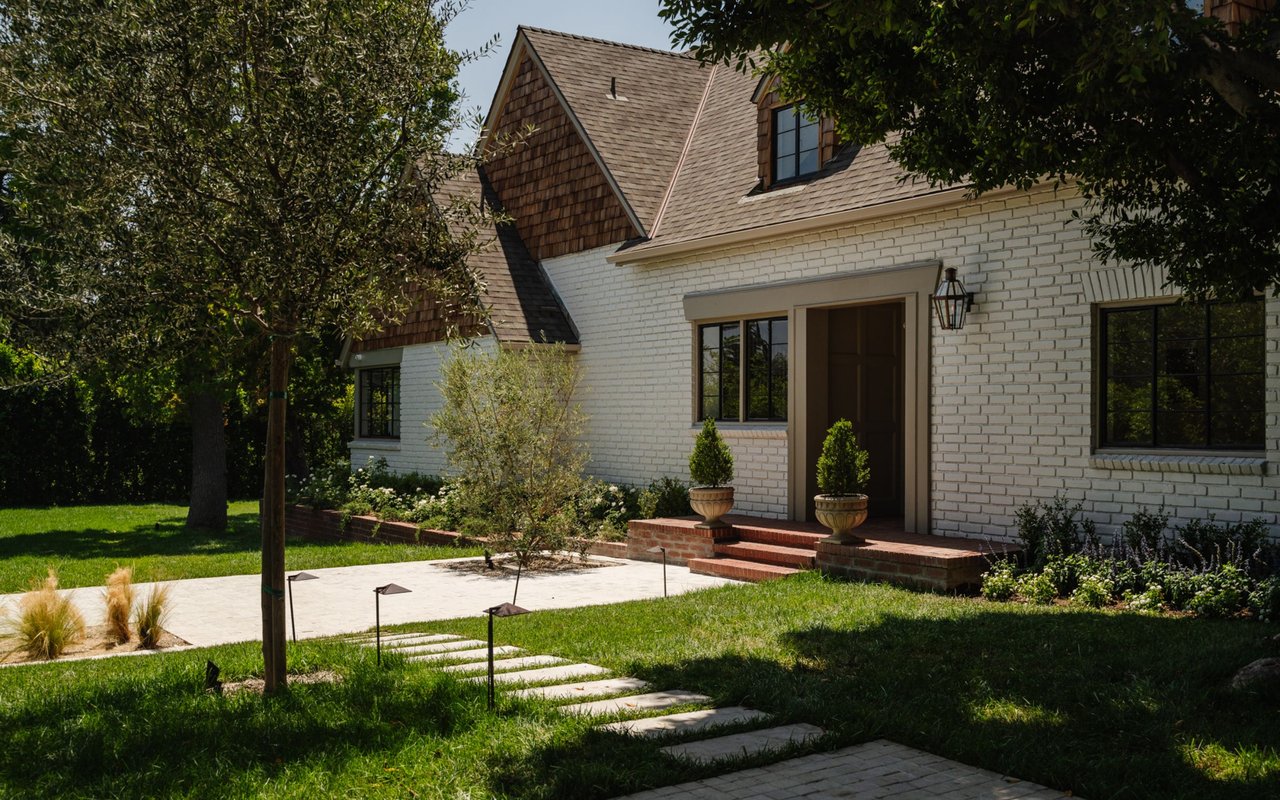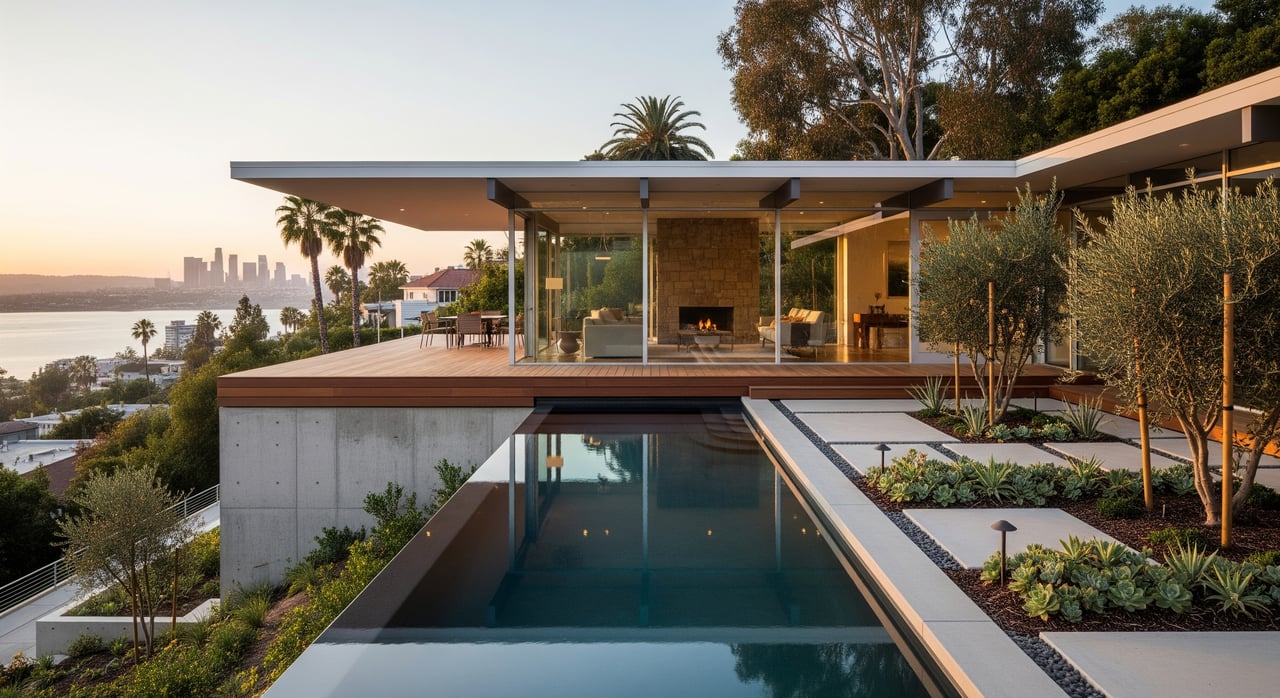
Ever notice how a single street in Silver Lake can shift from a shingled bungalow to a glassy hillside modern in a few steps? That variety is part of the neighborhood’s charm and a big driver of value. Whether you are buying, preparing to sell, or planning a renovation, understanding the style of your home helps you make smarter decisions and avoid costly missteps. In this guide, you’ll learn how to identify the most common Silver Lake architecture styles, what they mean for maintenance and permitting, and how style can influence market appeal. Let’s dive in.
Silver Lake’s architectural story
Silver Lake grew in layers. Early 1900s development brought Craftsman bungalows. The 1920s and 1930s added Spanish Revival and Art Deco forms. After the 1940s, Mid‑Century Modern and Minimal Traditional homes spread, followed by later contemporary hillside builds from the 1980s to today.
Topography shaped much of this mix. You will find bungalow and Spanish‑revival cottages on walkable, smaller lots near the Reservoir and lower streets. Higher up, steep slopes encouraged architect‑driven modern designs with dramatic views.
Some blocks intersect with preservation rules. Certain areas fall within Los Angeles Historic Preservation Overlay Zones, and some properties are individually designated or non‑contributing. Before exterior work or claiming historic incentives, confirm status with Los Angeles City Planning’s Office of Historic Resources.
How to spot major styles
Use the cues below to quickly read a property’s era, features, and likely care needs.
Craftsman Bungalow
Era at a glance: roughly 1905 to 1930.
What you’ll notice: low gabled roofs with wide eaves and exposed rafters. Porches with tapered columns on stone or brick piers. Wood siding or shingles and multi‑pane windows over single panes. Interiors often include built‑ins like bookcases and window seats.
What to consider: monitor for wood rot, foundation settling, and outdated electrical like knob‑and‑tube. Original single‑pane windows reduce energy performance. Preservation‑minded upgrades that keep trim and built‑ins tend to resonate with buyers and can support premium pricing.
Spanish Colonial Revival and Mission Revival
Era at a glance: peak from 1915 to 1937.
What you’ll notice: stucco walls, low‑pitched red clay tile roofs, and arched openings. Expect wrought‑iron accents, carved wood details, decorative tile, and compact courtyards or patios.
What to consider: address stucco cracks and moisture control at eaves and foundations. Clay tile repairs require care and may add cost. Many of these homes still have older plumbing and electrical. With respectful maintenance, the classic “Spanish” look is perennially popular.
Minimal Traditional and Period Revivals
Era at a glance: 1930s to 1950s, especially post‑Depression through the 1940s.
What you’ll notice: simplified traditional massing, small or no porch, minimal ornament, and low to moderate roof pitch. Where Tudor or other revival elements appear, look for steep gables, half‑timbering, and leaded windows.
What to consider: common older‑home issues include plaster, insulation gaps, and original windows. These homes often provide manageable footprints that appeal to buyers seeking character at an entry‑level size for the area.
Art Deco and Streamline Moderne
Era at a glance: late 1920s to 1940s.
What you’ll notice: smooth stucco or concrete, rounded corners, horizontal banding, and geometric motifs. Streamline Moderne leans into aerodynamic curves and long horizontals, sometimes with porthole or ribbon windows.
What to consider: aim for window and stucco work that respects period detailing. These buildings are distinctive and show especially well in boutique multifamily settings or thoughtfully updated single‑family homes.
Mid‑Century Modern
Era at a glance: late 1940s to 1960s.
What you’ll notice: open plans, post‑and‑beam structure, flat or low‑sloped roofs, and large glass walls. Clerestory windows and sliding doors elevate the indoor‑outdoor connection, especially on view lots.
What to consider: watch roof drainage, original mechanicals, and energy loss from single‑pane glass. Smart upgrades add insulation, improve HVAC, and preserve the open plan and structural rhythm. Authentic MCM is highly sought after and often sells at a premium.
Contemporary and Hillside Modern
Era at a glance: 1980s to present.
What you’ll notice: bold forms, extensive glazing, cantilevers, and engineered materials like steel, concrete, and stucco. Multi‑level plans step with hillside contours and frame views.
What to consider: complex hillside structures use piers or caissons, and drainage and retaining systems are mission‑critical. Expect higher insurance and geotechnical requirements. Newer homes with strong lines and views command top prices but can be costlier to maintain.
Adaptive reuse, lofts, and multifamily
Context at a glance: select areas near commercial corridors feature small apartment buildings and loft conversions with industrial or Streamline influences.
What you’ll notice: open plans, large windows, and period‑industrial finishes.
What to consider: seismic upgrades, conversion permits, and accessibility can drive scope. These properties can suit urban buyers seeking flexible, open living or investors evaluating rental potential.
Quick identification checklist
Bring this checklist to your next viewing and note what you see.
- Exterior clues: roof shape and pitch; roof material; stucco vs wood siding; porch style and column type; window types and patterns; decorative tile or wrought iron.
- Layout and finishes: single vs multi‑story; open plan vs compartmentalized rooms; built‑ins and original woodwork; interior tile and plaster.
- Systems and safety: electrical panel age, knob‑and‑tube indicators, HVAC age, plumbing materials, single‑pane windows.
- Site and access: lot slope, retaining walls, drainage paths, parking and driveway approach, proximity to major streets and the Reservoir.
Permits, preservation, and codes
Many older Silver Lake homes predate current seismic standards. Budget for seismic retrofitting like foundation bolting, cripple wall bracing, and soft‑story work in multifamily. Hillside properties may require geotechnical reports, engineered retaining walls, and specialized foundations for additions.
If your home sits in an HPOZ or is otherwise designated, exterior changes typically require design review. Confirm status with Los Angeles City Planning’s Office of Historic Resources before planning work. Pull permit history through the Los Angeles Department of Building and Safety and align your scope with current code.
Los Angeles has expanded Accessory Dwelling Unit options in recent years. Lot coverage, setbacks, and any HPOZ rules still apply. Always verify the latest zoning and ADU requirements for your specific parcel before committing to a design.
Renovation and energy upgrades
Preserve character where it counts. Original windows, trim, built‑ins, and exterior materials support authenticity and can boost value. When replacement is unavoidable, choose historically appropriate materials and profiles, and follow any applicable HPOZ guidelines.
Improve efficiency with targeted upgrades. Add insulation in walls and attics where feasible. Update HVAC to energy‑efficient systems. Consider double‑glazed windows or interior storm panels where acceptable, and review visibility guidelines before adding solar in historic areas.
Choose the right team. Older and hillside homes benefit from contractors and architects who understand period construction, design review processes, and slope engineering. Restoration of woodwork, custom windows, or hand‑set tile can cost more than standard replacements, so plan budgets carefully and prioritize scope.
Insurance, geotech, and escrow prep
Expect more documentation for hillside and older properties. Some insurers will request details on slope stability and access. Lenders may call for structural or geotechnical reports if you plan major remodels or if site conditions warrant.
Sellers should disclose known hazards, permit history, and any structural or drainage work. Buyers should order a full home inspection and add targeted inspections for structure, geotech, pests, and possible hazardous materials like lead paint or asbestos in older homes.
Style and value
Style can shape your buyer pool. Craftsman, Spanish Revival, and Mid‑Century Modern homes often attract design‑focused buyers who seek those specific aesthetics. Well‑preserved or sensitively updated examples tend to trade at a premium.
Contemporary hillside homes draw buyers who prioritize architecture and views. Highly customized homes can perform well but might appeal to a narrower set of buyers. Multifamily or adaptable properties can interest investors, depending on zoning and condition.
Your next steps in Silver Lake
- Verify status: check HPOZ maps and confirm with City Planning if your property may be subject to design review. Pull permit history at LADBS before listing or bidding.
- Inspect thoroughly: order general, structural, geotechnical, and pest inspections as needed. Test for lead‑based paint and asbestos in older homes with qualified professionals.
- Plan scope: for sellers, consider modest repairs that highlight original features. For buyers, budget for electrical, HVAC, windows, seismic work, and hillside drainage or foundation items.
- Build your team: consider a preservation consultant or architect for design and permitting questions. Engage a structural engineer for hillside or foundation concerns and a contractor experienced with older and historic homes.
If you are weighing timing, improvements, or presentation for a Silver Lake home, a clear style strategy can sharpen your decisions. When your home’s story is told well and its character is protected, the market tends to respond.
Ready to discuss your property, valuation, or a tailored plan for purchase or sale? Request a private home valuation with Unknown Company.
FAQs
How do I check if a Silver Lake home is in an HPOZ?
- Confirm with Los Angeles City Planning’s Office of Historic Resources and review HPOZ maps, then cross‑check permit and deed history.
Are historic homes harder to renovate in Silver Lake?
- Exterior changes in HPOZs often need design review and permits, while many interior updates face fewer restrictions. Restoration of original materials can cost more than standard replacements.
What common issues should I watch for in older Silver Lake homes?
- Look for outdated electrical, insulation gaps, plaster or stucco cracking, aging plumbing, and lead‑based paint. On hillsides, add drainage, retaining walls, and slope stability to your checklist.
Are Mid‑Century Modern homes typically energy inefficient?
- Many original MCMs have single‑pane glass and limited insulation. You can improve comfort with added insulation, efficient HVAC, and appropriate window upgrades while preserving key design features.
Do hillside modern homes usually cost more to insure and maintain?
- Often yes. Hillside properties can require more drainage and retaining wall maintenance and may have higher insurance premiums due to slope risks and access considerations.