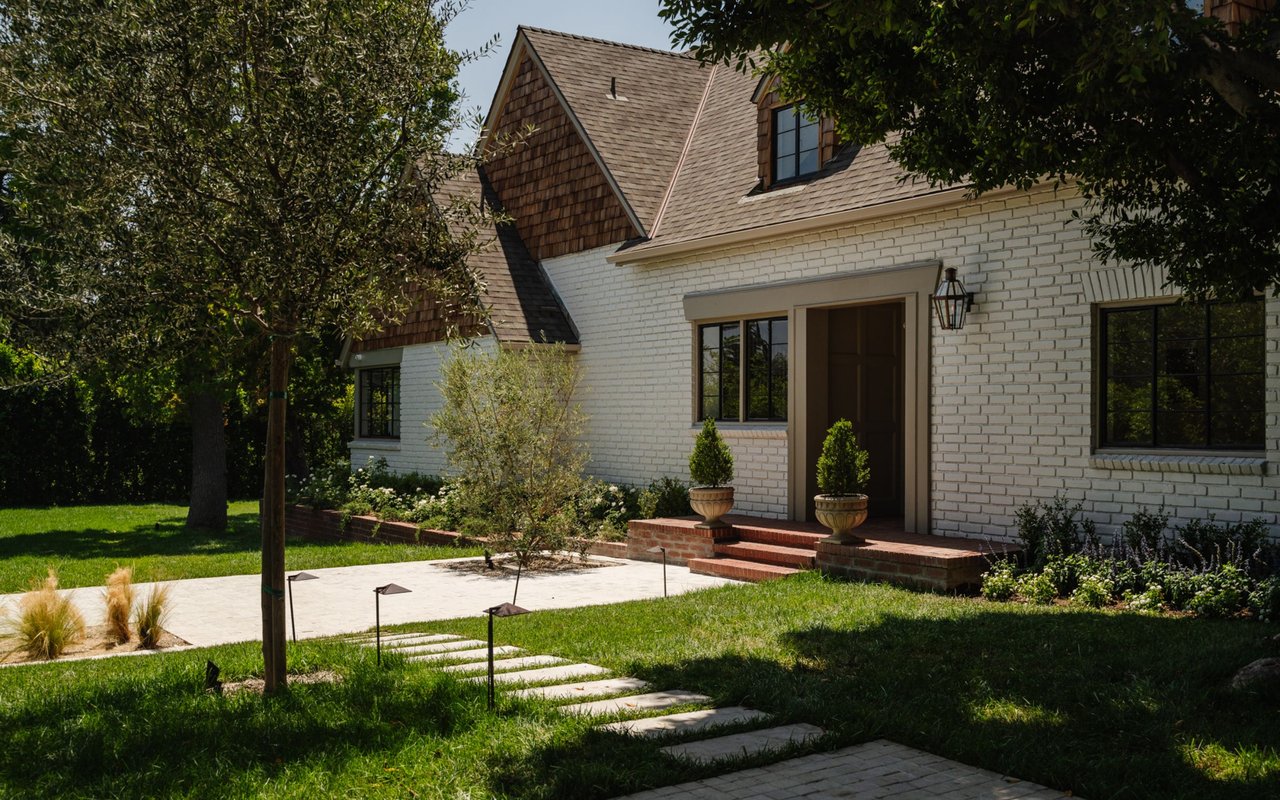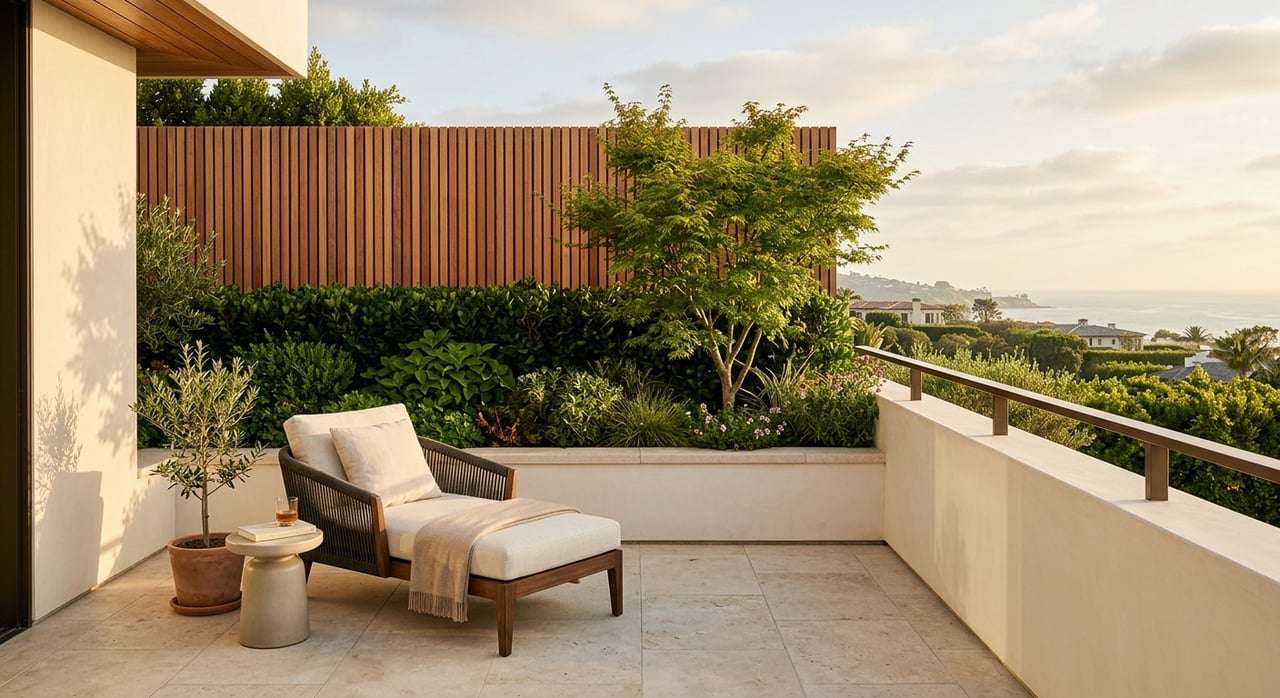
If you are searching above the Sunset Strip, the dream usually starts with the view. City lights, canyon depth, and dramatic indoor-outdoor moments can feel unforgettable the first time you walk a property. But in these hills, the best purchase is rarely about the widest panorama alone. It is about how view, privacy, access, and daily comfort actually work together. Let’s dive in.
Why above-the-Strip is not one market
The area above the Sunset Strip is often discussed as if it were one hillside neighborhood, but local planning records show a more nuanced picture. The single-family hills north of the boulevard are in the City of Los Angeles, and pockets like Bird Streets and Laurel Canyon are treated as distinct hillside areas with their own general boundaries.
That matters because the experience can change quickly from one street to the next. A home with open exposure on one ridgeline may live very differently from a home tucked into a canyon, even if both are only minutes from Sunset Boulevard.
West Hollywood describes the Sunset Strip as a 1.2-mile corridor and a major traffic artery, with more than 5 million people visiting the city’s entertainment district each year. That energy is part of the appeal, but buying above the Strip is really about choosing the right hillside setting for how you want to live.
The core tradeoff: view versus privacy
In hillside homes, view and privacy often pull in opposite directions. A higher, more open lot may capture sweeping city lights, but it can also feel more exposed to nearby sightlines, street visibility, and evening lighting from surrounding homes.
By contrast, a more sheltered lot may give you less of a dramatic skyline reveal, but more day-to-day ease. You may gain a stronger sense of retreat, especially around the primary suite, living spaces, terrace, or pool.
The key is to ask what kind of view you will actually use. In practice, most buyers are deciding between three different experiences:
- Broad city-lights views
- Framed canyon views
- Protected indoor-outdoor sightlines that still feel private
A dramatic view in listing photos is not always the same as a view that feels comfortable when you are having coffee outside, hosting friends at night, or leaving the shades open in the evening.
What to study during a showing
When you tour a home above the Sunset Strip, stand in the spaces you will use most. Look from the living room, kitchen, primary bedroom, terraces, and pool deck, not just from the edge of the lot.
Then ask a simple question: Who can see this space, and from where? On hillside sites, visibility may come from above, below, across the canyon, or directly from the street.
A home can feel private in the daytime and far more exposed at night once interior lighting is on. That is why the best evaluation is not just the photo angle, but the lived experience of the home across different times of day.
Check sightlines, not just scenery
Focus on the outdoor areas that shape real use. A view terrace with shallow depth may photograph well but feel less functional for dining, lounging, or entertaining.
Likewise, a pool area may look serene in marketing images but have direct sightlines from neighboring lots. In hillside settings, the most successful homes often balance a compelling visual outlook with intentional separation from nearby views.
Ask what could change nearby
Another smart question is how permanent the current outlook may be. Because these are hillside neighborhoods with ongoing construction activity, what you see today may not be the full future picture.
A neighborhood association representing the hills above the Strip has described the area as having many small, windy roads and substantial construction activity. For buyers, that is a reminder to look beyond the home itself and study the immediate surroundings with care.
Daily comfort matters more than lot size
In hillside properties, raw lot size can be misleading. What matters more is how much of that site is truly usable in everyday life.
Los Angeles hillside rules place added limits on grading and can require more detailed geotechnical review on steep sites. In practical terms, that means two homes with similar lot sizes can offer very different outdoor utility.
A large parcel may still have limited flat space for dining, play, lounging, or circulation. Meanwhile, a smaller but better-composed site may feel easier and more livable every day.
Prioritize usable outdoor space
When comparing homes, look closely at the parts of the site you will actually use. The strongest practical lens includes:
- Flat pad area
- Terrace depth
- Pool placement
- Easy movement between indoor and outdoor spaces
- Comfortable seating and dining zones
These features often determine whether the home feels elegant in daily life or simply dramatic in photos.
Think about guests and service access
Access can shape your routine more than square footage. On narrow hillside streets, guest arrivals, deliveries, and ride-shares can create friction if the home lacks easy parking or practical drop-off conditions.
The city’s hillside guidance also ties some projects to roadway access and street standards. That reinforces a simple truth: in these hills, arrival experience is part of the property, not a side detail.
Parking and street access deserve real attention
Los Angeles hillside rules say one-family dwellings generally need at least two covered parking spaces in a private garage. Some lots on substandard hillside limited streets may require additional parking.
For buyers, that makes parking more than a checkbox. You will want to understand not only where you park, but how easy it is to enter, turn, unload, and accommodate guests without stress.
A beautiful house on a tight or awkward approach can feel very different after move-in. The same is true if service providers, deliveries, or visitors consistently face access challenges.
Narrow roads change the experience
Resident comments in recent public records highlight concerns about small, windy roads and projects on substandard streets. That local perspective is valuable because it reflects the day-to-day reality buyers inherit along with the architecture.
If you are comparing two homes with similar design appeal, the one with smoother access may be the stronger long-term choice. The view may win the first impression, but the street often shapes the routine.
Future plans may trigger more review
If you are considering a remodel, pool, retaining wall, addition, or major site work, hillside regulations should be part of your early review. Bird Streets and Laurel Canyon are both listed by LADBS in the Hillside Construction Regulation district, which adds protections against construction-related impacts in hillside single-family areas.
That does not mean future improvements are impossible. It does mean they may involve more review, more constraints, and more planning than a similar project on a flat lot.
Los Angeles hillside guidance also addresses grading quantities, parking, height, access, and other building conditions. Buyers who want to personalize a home should evaluate not just what is there today, but how realistic future changes may be.
Why this matters for value
In luxury hillside markets, buyers often pay for both present lifestyle and future optionality. If a property has a strong view but limited flexibility for outdoor improvements or additions, that can affect how you weigh the opportunity.
This is especially important if your goal is to refine a home over time. Early clarity on site constraints can help you avoid surprises after closing.
Fire readiness is part of the buying decision
Above-the-Strip buying also requires close attention to fire-related conditions. LAFD directs owners to the state Fire Severity Zone map and administers the city’s defensible-space and brush-clearance program in the Very High Fire Hazard Severity Zone.
LAFD also noted in 2025 that CAL FIRE issued updated recommended fire-hazard maps for Los Angeles, which may influence building and vegetation-management requirements. For buyers, that means fire readiness is not only a maintenance topic. It can shape ownership obligations and future project planning.
The city’s hillside ordinance also ties certain building approvals to street-access conditions and requires sprinklers in some hillside situations. In other words, safety, access, and permitting are often connected.
Questions to answer before you buy
Before moving forward on a view home above the Sunset Strip, make sure you understand:
- How secure the current view may be
- Whether outdoor areas are actually usable every day
- How guests, deliveries, and ride-shares reach the house
- Whether future changes could trigger hillside review or grading limits
- Whether the parcel falls in a fire severity zone and what brush-clearance or defensible-space obligations may apply
These questions are especially important in hillside pockets where resident concerns have centered on access, safety, and ongoing construction.
The best hillside homes balance both
The most compelling homes above the Sunset Strip rarely offer only one thing. They balance outlook with shelter, drama with comfort, and architectural impact with real-world ease.
That balance is highly specific to the parcel, the street, and the surrounding pocket. A home in Bird Streets may solve the puzzle differently from one in Laurel Canyon, even when both sit above the same iconic corridor.
If you approach the search with a clear eye for privacy, access, usable outdoor space, and future constraints, you are far more likely to choose a home that still feels right long after the first showing. For discreet guidance on hillside properties across Los Angeles, connect with SANDLER + HIRSCH GROUP.
FAQs
What does above the Sunset Strip mean for buyers?
- It usually refers to hillside residential pockets north of Sunset Boulevard, where buying decisions often vary by specific areas such as Bird Streets or Laurel Canyon rather than one uniform neighborhood.
How do views and privacy trade off in Sunset Strip hillside homes?
- Higher and more open lots may capture broader views, but they can also feel more exposed to neighboring sightlines, street visibility, and nighttime lighting.
What should you evaluate besides the view in a hillside home?
- You should look closely at usable outdoor space, terrace depth, pool placement, guest parking, delivery access, and how comfortably the home works in daily life.
Why does street access matter above the Sunset Strip?
- Many hillside streets are narrow and winding, so access can affect guest arrivals, ride-shares, deliveries, parking ease, and overall convenience.
Are Bird Streets and Laurel Canyon subject to hillside rules?
- Yes. LADBS lists both areas in the Hillside Construction Regulation district, which adds protections related to construction impacts in hillside single-family areas.
Can future improvements trigger extra review in hillside areas?
- Yes. Projects such as additions, retaining walls, pools, or major grading may involve hillside review, access standards, and other local requirements depending on the site.
How does fire risk affect buying above the Sunset Strip?
- Buyers should confirm whether a parcel is in a fire severity zone and understand any related defensible-space, brush-clearance, access, or building requirements that may apply.