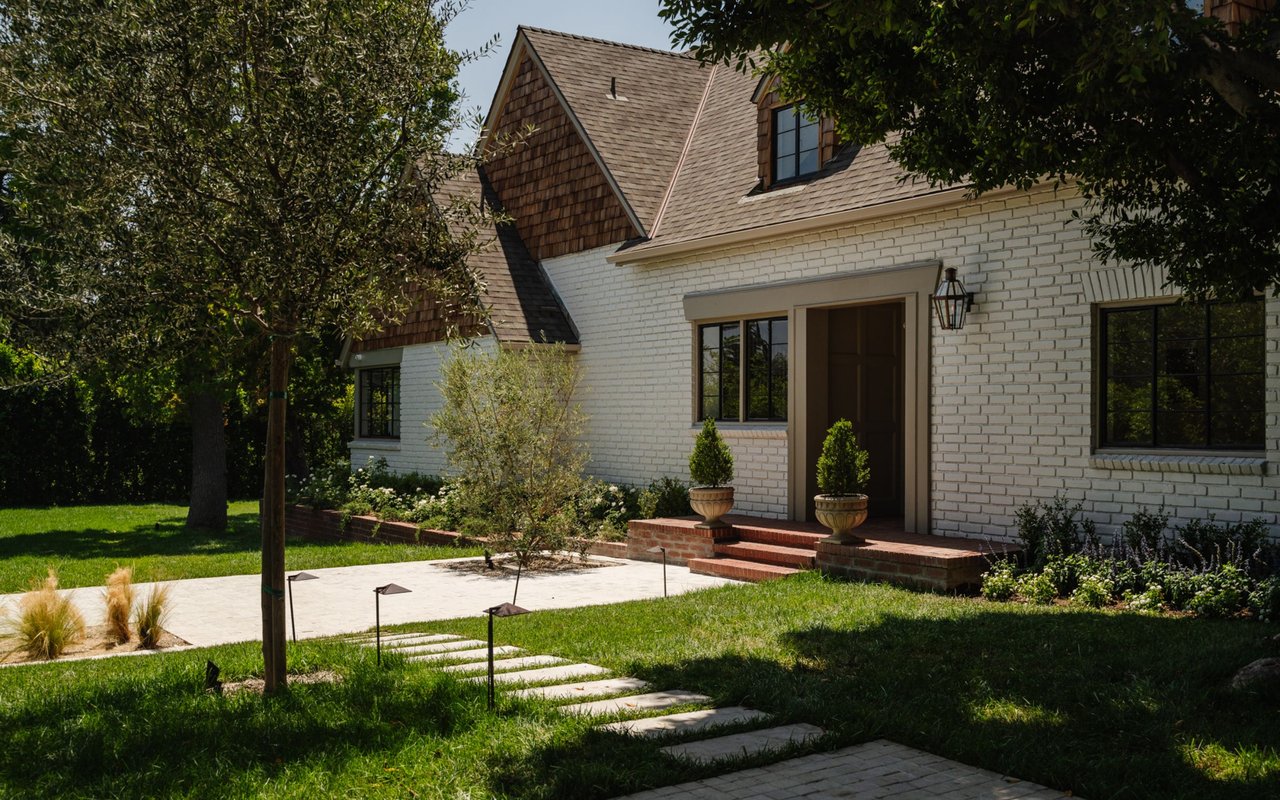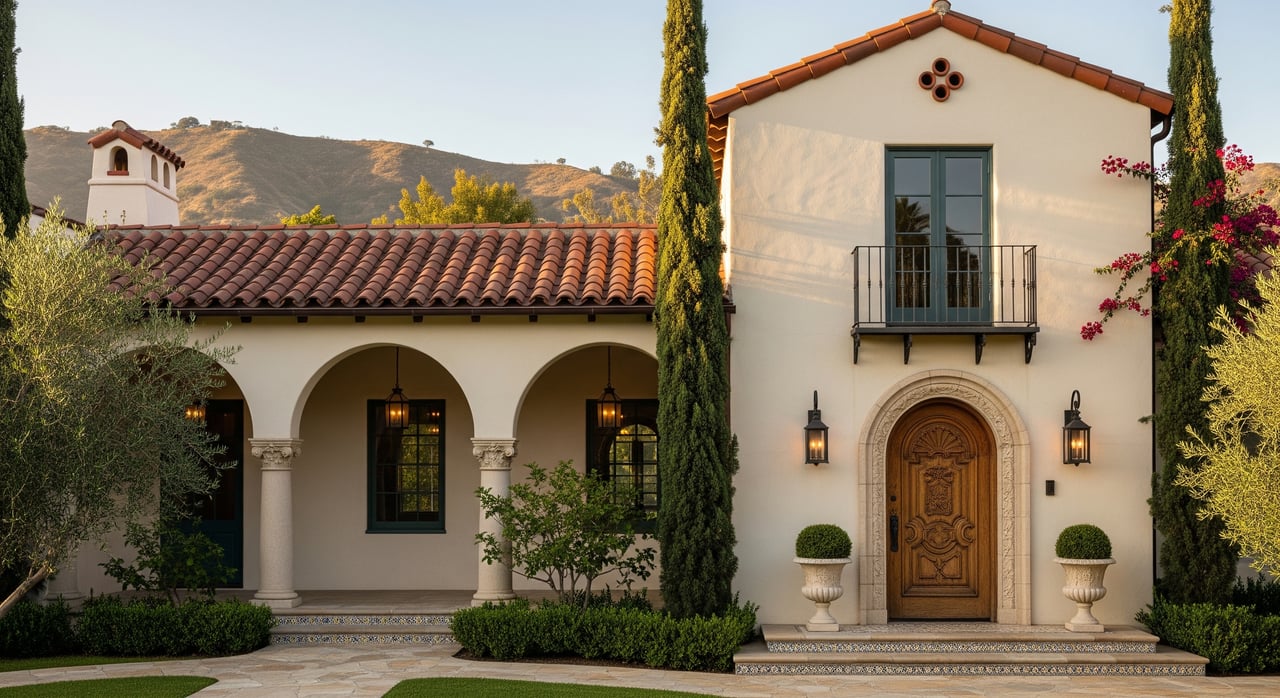
That Spanish tile roof, the arched doorway, the walkable stretches near Griffith Park — it is easy to fall for a historic Los Feliz home. You want character and a great location, but you also want clarity on rules, costs, and what it takes to make an older property work for you. In this guide, you will learn how local historic designations work, what inspections matter, the basics of financing and insurance, and a due diligence roadmap so you can buy with confidence. Let’s dive in.
Los Feliz character and style
Los Feliz blends hillside estates with streetcar‑era bungalows near Los Feliz Village and Franklin Village. You will see Spanish Colonial Revival, Craftsman, Tudor Revival, and mid‑century designs. Nationally known landmarks shape the area’s identity, including Frank Lloyd Wright’s Ennis House and the Hollyhock House, highlighted by the Los Angeles Conservancy’s Ennis House profile and Hollyhock House overview. Proximity to Griffith Park, the Greek Theatre, and nearby commercial corridors adds to daily convenience and long‑term appeal.
What “historic” means in LA
Historic status in Los Angeles typically falls into three categories:
- Historic Preservation Overlay Zone (HPOZ). Neighborhood‑scale districts that regulate exterior changes visible from the street. The City’s Office of Historic Resources hosts HPOZ maps and preservation plans.
- Historic‑Cultural Monument (HCM). City recognition for individual properties with specific protections.
- National Register of Historic Places. Federal listing that recognizes significance. It usually does not restrict private owners unless federal funding or permits are involved.
How design review works
If a home is within an HPOZ, exterior changes that can be seen from the public right‑of‑way are reviewed for compatibility with the historic character. Rooflines, windows, porches, materials, and additions are common focus areas. Interior work is usually unrestricted unless the property is an HCM with specific protections. Permits still run through the Los Angeles Department of Building and Safety, with HPOZ review as an added step where applicable.
Inspections that matter
Older homes deserve deeper due diligence. Consider hiring:
- A general home inspector who knows historic systems.
- A structural engineer to assess the foundation, hillside stability, and seismic retrofit needs.
- Licensed electrical and plumbing specialists to evaluate older wiring, panels, and aging pipes or sewer laterals.
- A pest inspector to check for termites and dry rot.
- Environmental testing for lead‑based paint and asbestos in pre‑1978 construction.
- A preservation consultant or architect if you plan exterior work under HPOZ or HCM oversight.
Common issues to expect
Historic properties often show their age in predictable ways:
- Knob‑and‑tube or ungrounded wiring and undersized electrical panels.
- Galvanized or cast‑iron plumbing and clogged or failing sewer lines.
- Single‑pane windows that affect energy use, with special care needed for preservation.
- Foundation settlement and hillside movement for upslope homes.
- Unreinforced masonry chimneys that are seismically vulnerable.
- Termite damage, dry rot, and deteriorated wood details.
- Lead paint and asbestos in older finishes and materials.
- Fragile historic plaster, tile, and woodwork that cost more to restore.
Financing and insurance basics
Most buyers use conventional loans, but lenders will call out safety issues or major deferred maintenance that may need repair before funding. If you plan improvements, rehab mortgages can help. The FHA 203(k) and Fannie Mae HomeStyle programs finance a purchase plus renovation in one loan. Review program rules early and work with approved contractors. For an overview, see HUD’s page on FHA 203(k) rehab mortgages.
Insurance for older homes can be more complex due to higher replacement costs and older systems. Some carriers require upgrades like replacing knob‑and‑tube wiring. In Southern California, earthquake coverage is a separate policy and is strongly recommended for older, unreinforced structures.
Permits, timelines, and scope
Plan your project with a clear order of operations:
- Design your scope with a preservation‑minded architect.
- Under HPOZ, seek design review for exterior work visible from the street.
- Apply for permits with the Los Angeles Department of Building and Safety.
- Begin construction after approvals.
Minor in‑kind repairs may move faster. Major additions or exterior changes can add weeks or months for review. If you are considering demolition or significant alterations, speak with the Office of Historic Resources first to understand feasibility and likely conditions.
ADUs and additions
Los Angeles is generally supportive of accessory dwelling units. In an HPOZ, design compatibility and visibility from the street receive added scrutiny. Confirm setbacks, lot coverage, and HPOZ design guidelines early if an ADU is part of your plan.
Tax incentive: the Mills Act
Qualifying historic properties may reduce property taxes through a Mills Act contract in exchange for ongoing preservation work. The program is administered locally and requires application and approval. For details, review the City’s Mills Act program guidance.
Step‑by‑step due diligence
Use this checklist to protect your investment:
- Confirm designation. Check whether the home is in an HPOZ or is an HCM. The City’s Office of Historic Resources provides maps, preservation plans, and designation lists.
- Order specialist inspections. Structural, electrical, plumbing, pest, sewer, and environmental testing.
- Review the applicable HPOZ preservation plan. Understand standards that apply to your exterior scope.
- Check incentives and covenants. Ask about Mills Act status and any historic easements or deed restrictions.
- Pull permit history. Search records with the Los Angeles Department of Building and Safety to verify past approvals and flag unpermitted work.
- Consult before you offer big. If you intend major exterior changes, speak with the HPOZ office or a preservation architect to gauge review and costs.
Smart negotiation moves
- Use inspection findings to negotiate credits or repairs for deferred maintenance.
- Consider an escrow holdback for known issues that must be completed after closing.
- Price your offer with review and construction timelines in mind if your plans depend on HPOZ approval.
Resale outlook
Historic character is a draw in Los Feliz and can aid resale when paired with good condition, compatible upgrades, and thoughtful stewardship. The buyer pool may be more focused since not everyone wants preservation obligations, but many buyers actively seek the charm, location, and architectural narrative that historic homes offer.
Work with a design‑minded advisor
Buying a historic home is part art, part process. You want an advocate who understands preservation rules, can coordinate specialist inspections, and values original architecture while planning upgrades that meet today’s needs. If you are exploring Los Feliz, connect with the team that treats every property with architectural respect and a client‑first process. Start a confidential conversation with the SANDLER + HIRSCH GROUP to map your next steps.
FAQs
How do I check if a Los Feliz home is in an HPOZ?
- Review the City’s HPOZ maps and preservation plans through the Office of Historic Resources, and confirm details with the local HPOZ board.
Will historic status stop my remodel in Los Feliz?
- Exterior changes visible from the street often require design review for compatibility, while interior work is usually unrestricted unless specific HCM protections apply.
What is the Mills Act and how can it help?
- The Mills Act can reduce property taxes for qualifying historic properties under a preservation contract; see the City’s Mills Act guidance for eligibility and process.
What hidden costs should I expect with older homes?
- Common expenses include electrical and plumbing upgrades, seismic retrofits, foundation or hillside work, lead and asbestos abatement, and specialized restoration of historic finishes.
Are historic homes harder to finance in Los Angeles?
- Unique properties can challenge appraisals, but conventional loans and rehab programs like FHA 203(k) are options if you meet lender requirements and scope work appropriately.
Do I need earthquake insurance for a historic home?
- Earthquake coverage is separate in Southern California and is strongly recommended for older, unreinforced structures; premiums can be higher for historic construction.