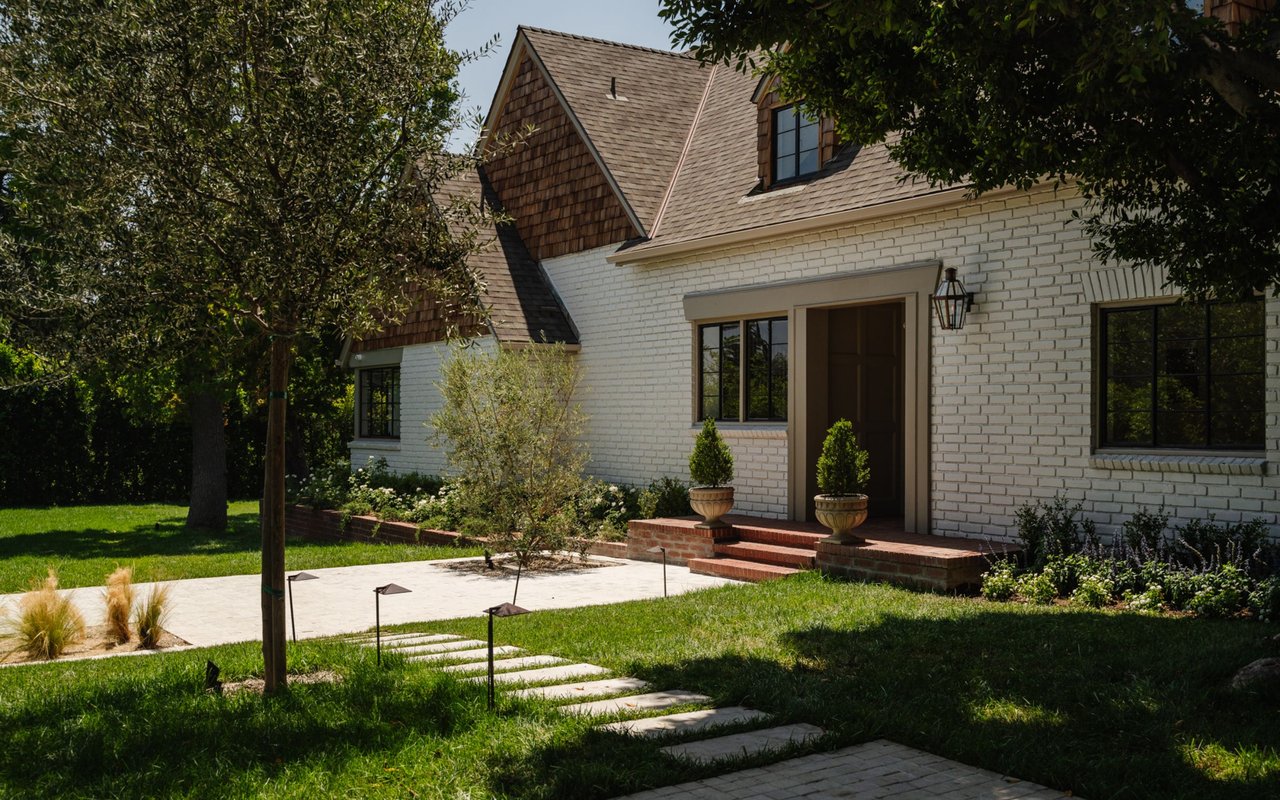
Trying to decide between a condo and a house in Westwood? You are not alone. With UCLA, major hospitals, and Westwood Village close by, the neighborhood attracts buyers who value convenience as much as privacy and space. In this guide, you will see how costs, rules, maintenance, lifestyle, rental potential, and risk compare across property types in Westwood, so you can choose what fits you best. Let’s dive in.
Westwood at a glance
Westwood sits in the heart of Los Angeles, anchored by UCLA, the Village, and world‑class medical facilities. That mix drives steady demand from students, faculty, medical professionals, and buyers who want a walkable, amenity‑rich lifestyle. You will find a wide range of buildings here, from pre‑1978 structures to newer luxury mid‑rises and classic single‑family streets.
Prices are generally higher than many LA neighborhoods, and the price gap between condos and single‑family homes tends to be large because land is scarce. Daily life here often includes parking competition and 405 traffic noise, especially near major corridors. Over time, proximity to UCLA and limited supply support long‑term value, but buyers should also expect strong competition and higher transaction costs.
Purchase price and total cost
Single‑family homes in Westwood usually command a premium because of the land. Condos often offer a lower entry price, which can make them a practical first step into the neighborhood. That said, both segments trade at high dollar levels in Westwood, so focus on total monthly cost rather than just the purchase price.
Condos come with monthly HOA dues that may cover exterior maintenance, common‑area insurance, and amenities. Older buildings or amenity‑rich towers may have higher dues, and HOAs can levy special assessments for seismic work or deferred maintenance. Houses do not have HOA dues in most cases, but you take on all maintenance, utilities for the entire property, landscaping, and exterior repairs.
Property taxes are reassessed at the time of purchase under California’s Proposition 13 for both condos and houses. Some parcels may carry additional fees or assessments that are parcel specific. If you plan to add an accessory dwelling unit, that can increase taxable value and also open a path to future rental income, subject to permitting.
Financing and approvals
Financing a single‑family home typically follows standard underwriting. Condos add an extra layer. Many lenders review the entire project, looking at HOA reserves, owner‑occupancy rates, litigation, insurance coverage, and the health of the budget before signing off on your loan. For certain government‑backed loans, the condo project may need formal approval.
If a condo association has pending litigation, low reserves, or a high share of rentals, your lender might tighten requirements or decline the loan. Down payment and reserve expectations can vary by lender and program, so it helps to engage a loan officer familiar with Westwood condos early. Title and insurance also differ, since condos rely on a master policy for common areas while unit owners carry a separate policy for the interior.
Maintenance and lifecycle planning
When you buy a house, you budget for roofs, foundations, HVAC, plumbing, electrical, fencing, and landscape upkeep over time. These items can be significant, but you control the schedule and the scope. Many buyers appreciate that control, especially if they plan to renovate or expand.
In a condo, the HOA typically handles exterior and common‑area work, while you take care of your interior finishes and systems. Your costs are more predictable month to month, but major projects like seismic retrofits or elevator upgrades can lead to special assessments. Reviewing the reserve study, annual budget, and recent HOA minutes is essential to anticipate upcoming costs.
Control, rules, and daily lifestyle
Houses offer the most freedom for use, design, and future changes, as long as you follow zoning and permitting rules. If you value creative control, privacy, and the option to add space or an ADU, a house can be a better fit. Street parking, setbacks, and lot dimensions will still shape what is possible.
Condos operate under CC&Rs and board rules. These can restrict renovations, rentals, pets, flooring choices, and parking. Short‑term rentals also face city registration requirements, and many HOAs near UCLA limit or prohibit them. If you want a lock‑and‑leave lifestyle with set standards and services, a condo’s structure can be a plus.
Space, privacy, and amenities
If you want a private yard, garage, and more interior space, a house delivers. Westwood’s single‑family streets tend to feel quieter, though yards can be modest by LA standards. Houses also give you the option to add outdoor living areas and, where permitted, an ADU.
Condos usually offer smaller private spaces, but some buildings deliver strong amenities like a pool, gym, doorman, controlled access, or concierge service. Many Westwood condos are walkable to Westwood Village, dining, and transit, which can reshape daily life. For some buyers, trading a yard for convenience and on‑site amenities is a win.
Rental and investment factors
Westwood’s tenant pool is deep, drawing from UCLA and nearby employers. Condos can be easier to manage as rentals because exterior maintenance is handled, but HOA rules may limit rentals or impose minimum lease terms. Older multi‑unit buildings can be subject to the city’s rent stabilization rules, and statewide tenant protections may also apply, so check what covers your specific property and tenancy before you buy.
Houses give you more control over lease terms and potential to capture higher rents for larger space. The ability to add an ADU, subject to permits, can create a second income stream on a single parcel. For any investment plan, underwrite with conservative rent and expense assumptions, and confirm whether local rules or HOA policies affect your model.
Resale and liquidity
Well‑managed condos with healthy reserves and useful amenities can appeal to a broad buyer pool at a relatively lower price point. That can help with speed of sale when priced correctly. On the other hand, HOAs with litigation, low reserves, or looming assessments can limit buyer financing and slow down a sale.
Single‑family homes are more individual. Unique lots and architecture can drive standout results, but they also reduce the number of direct comparables. That can mean a longer search for the right buyer at a premium price, especially in a shifting market. Thoughtful prep, presentation, and pricing strategy go a long way on either path.
Risk and insurance in Westwood
Earthquake risk is part of life in Los Angeles. Standard homeowner and condo policies do not include earthquake coverage, so you consider separate earthquake insurance. Costs vary by building type, age, and coverage level, and condo owners should clarify what the HOA master policy does and does not cover.
Older multi‑unit wood‑frame buildings may be subject to city seismic retrofit programs, and those costs are often funded through HOA assessments. Ask directly whether soft‑story or other retrofit work is complete, planned, or unfunded. Wildfire risk is lower in inner‑city Westwood compared with hillside areas, but smoke and air quality events can still impact the neighborhood.
Due diligence checklists
Before you commit, collect documents that show the real condition and future costs of what you are buying.
For a Westwood condo
- HOA CC&Rs, bylaws, and rules
- Current HOA budget and the most recent reserve study
- HOA meeting minutes for the last 12 to 24 months
- Insurance master policy declarations and coverages
- Notices of pending or recent litigation
- Any special assessments or capital project plans
- Owner‑occupancy percentage and rental restrictions
For a Westwood house
- Full seller disclosures and the natural hazard disclosure
- Pest and termite inspection
- Foundation, roof, HVAC, plumbing, and electrical inspections
- Permit history for remodels and landscape or tree work
- Survey or plot plan, easements, and setback confirmations
- Local zoning details for the parcel and any ADU history
For both property types
- Recent comparable sales and a pricing strategy for the block or building
- Property tax details and any parcel‑specific assessments
- Homeowner and earthquake insurance quotes
- For condos, an HOA dues and assessment history
Rules and regulations that matter
Understanding the local framework helps you avoid surprises after closing.
- Homeowner associations and disclosures. California’s HOA laws require specific disclosures and access to documents like budgets, reserve studies, CC&Rs, and insurance. Review them closely before removing contingencies.
- Rent control and tenant protections. Many multi‑unit buildings built before October 1978 in Los Angeles fall under local rent stabilization. State tenant protections can also apply, with certain exemptions. If renting is part of your plan, confirm which rules govern your unit and tenancy type.
- Zoning, ADUs, and permits. City zoning controls what you can build, including ADUs on single‑family lots. Confirm what is allowed on your parcel and understand required permits and inspections.
- Short‑term rental rules. The City of Los Angeles requires registration for short‑term rentals, and many HOAs restrict or prohibit them. Verify both city and HOA policies before assuming STR income.
- Seismic programs and safety. Ask whether required retrofits are complete, in progress, or unfunded, and how they were or will be paid for.
How to choose what fits you
Use your daily life and medium‑term goals as the filter.
- Choose a condo if you value convenience, on‑site amenities, predictable exterior maintenance, controlled access, and a walkable lifestyle near Westwood Village. Review HOA health and rules with care.
- Choose a house if you want privacy, a yard, more interior volume, and the freedom to customize or expand, including the possibility of an ADU. Budget for ongoing maintenance and long‑term capital items.
A simple decision framework can help:
- Define your top three priorities, for example, space, walkability, low maintenance.
- Calculate your total monthly cost, not just mortgage, and include taxes, insurance, HOA dues or a maintenance set‑aside, and earthquake coverage.
- Review rules that impact your plan, including HOA restrictions, short‑term rental policies, and zoning for additions or ADUs.
- Assess building or property health, including HOA reserves and retrofit status for condos, or major system inspections for houses.
- Consider your exit. Think about resale drivers, buyer pool depth, and what updates would increase value later.
Ready for a nuanced Westwood plan?
Whether you lean condo or house, success in Westwood comes from clear goals, total cost analysis, and careful due diligence. The right strategy blends lifestyle, design potential, and long‑term value, all through the lens of local rules and building realities. If you want tailored guidance and a discreet, design‑forward approach, connect with the SANDLER + HIRSCH GROUP for private advice and next steps.
FAQs
Which is cheaper to buy in Westwood, a condo or a house?
- Condos usually have lower entry prices than single‑family homes, but you also pay monthly HOA dues, while houses cost more up front and carry higher maintenance costs.
How do HOA fees change affordability when buying a condo?
- Your monthly housing cost equals mortgage, taxes, insurance, and HOA dues for a condo, so higher dues can offset a lower purchase price compared to a house.
Can I rent out a Westwood condo or house if I buy it?
- It depends on HOA rules, city registration for short‑term rentals, and rent control or statewide tenant protections, so confirm what applies to your specific property and lease plan.
Do condos include earthquake coverage for my unit?
- The HOA typically insures common areas, while unit owners often need separate policies for interiors and must decide whether to add earthquake coverage for their unit.
What hidden risks should I watch for when comparing condos and houses in Westwood?
- Red flags include HOA litigation, low reserves, pending special assessments, seismic retrofit obligations, and for houses, deferred maintenance on roofs, foundations, and major systems.
Which property type is easier to expand if I need more space later?
- Houses usually offer more flexibility to add square footage or an ADU with permits, while condos are generally limited to interior updates subject to HOA approval.