Thinking about a home behind the gates in Beverly Hills? Privacy and discretion are often top priorities here, and gated living can deliver both when it is done well. Still, there are real trade-offs, rules, and costs that are easy to overlook. In this guide, you’ll learn how gated properties work locally, what to expect as a buyer or seller, and the practical steps that help you protect value. Let’s dive in.
What gated living means locally
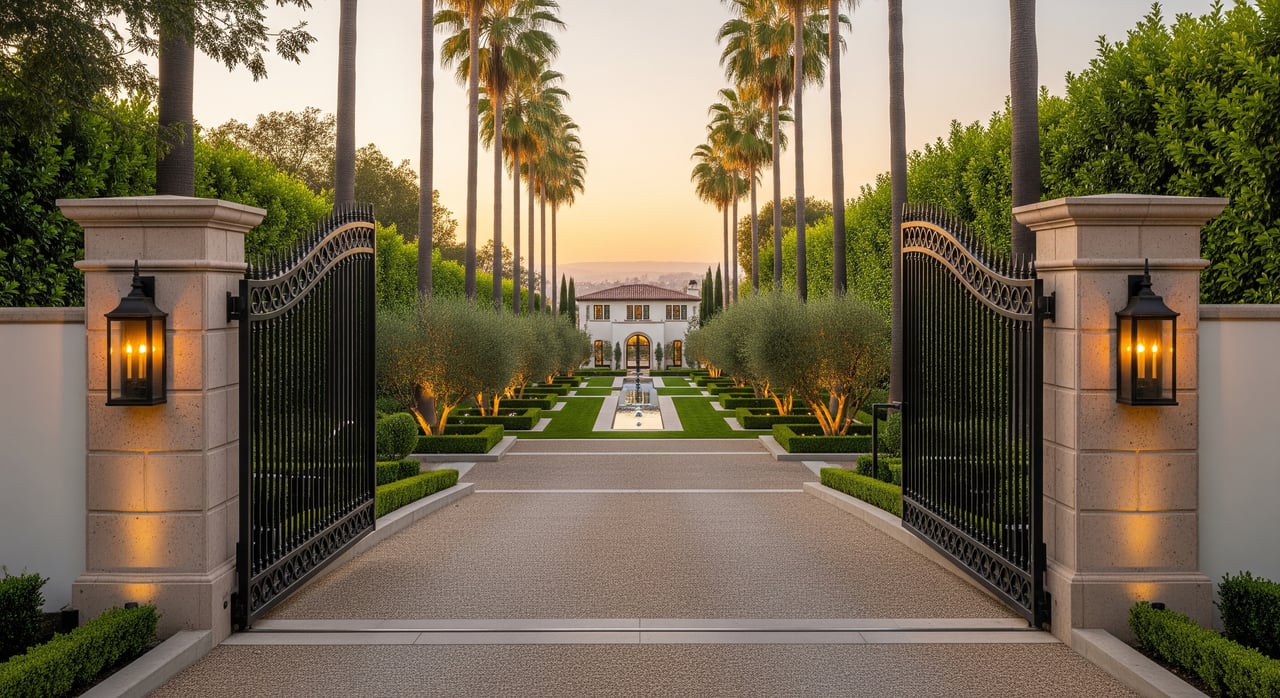
Gated living in Beverly Hills includes several setups. You will find private single-family estates with automated driveway gates, small guard-gated enclaves, and gated streets or private roads managed by an association. Each uses different access controls, from owner-managed keypads and remotes to staffed gatehouses.
The market spans the City of Beverly Hills and nearby luxury pockets in Los Angeles, including the Beverly Hills Post Office area. Rules and permits can differ by jurisdiction, so it matters whether the property is inside the City of Beverly Hills or within the City of Los Angeles. Gated status often commands a premium because of privacy, perceived security, and limited supply, especially where gates or gated streets are rare.
Types of gated properties
Private-gated estates
These are individual homes with their own automated driveway gates, intercoms, and cameras. You manage access, maintenance, and upgrades. Some streets restrict gate height or placement, so check local code before installing or modifying equipment.
Guard-gated enclaves
Certain streets or small communities have staffed gatehouses that control visitor entry. Expect protocols for pre-authorization and visitor logs. These areas typically involve association fees that fund guards, road upkeep, and shared systems.
Gated streets and private roads
Here, a homeowners association or private road entity controls gates and shared infrastructure. You will want to understand recorded easements, reserve funds, and how costs are allocated among owners.
Why buyers choose gated living
- Privacy and exclusivity. Controlled access reduces casual traffic and unsolicited visitors.
- Perceived safety. Gates can deter opportunistic trespass and solicitation, which many high-profile owners value.
- Lifestyle and services. Some gated areas include private road maintenance, landscaping, and staffed security.
Gates reduce some risks but do not eliminate targeted crime. Plan security holistically and confirm emergency access procedures.
Trade-offs to consider
- Access friction. Deliveries, guests, and contractors may face delays or require pre-authorization.
- Maintenance and costs. Gate motors, hinges, sensors, cameras, and guard staffing require ongoing funding.
- Rules and compliance. Gates, fences, and fixed cameras often need permits and must meet local code.
- Resale dynamics. Gated status can be a selling point for privacy-minded buyers but may narrow the buyer pool for those who prefer easy access or fewer restrictions.
Buying a gated home: due diligence
Pre-offer checks
- Confirm who owns and maintains the gate, road, and cameras. Review CC&Rs, bylaws, and recorded easements.
- Identify the access model: keypad, remote fob, intercom, camera-based entry, or staffed gatehouse.
- Understand the association, if any: membership rules, fee levels, special assessments, and services covered.
- Check local zoning and permit requirements with the correct city, Beverly Hills or Los Angeles, depending on the address.
Inspections and technical review
- Inspect gate operators, hinges, sensors, photo eyes, and intercoms. Ask for service records and warranties.
- Confirm backup power for outages. Batteries and generators should be tested and documented.
- Verify fire department access, such as a Knox Box or approved rapid-release mechanism, and any required emergency easements.
- Review the security system. Clarify camera ownership, footage retention, and who controls access to recordings.
Financial review
- Evaluate HOA or guard fees. Luxury communities can range from modest dues to significant monthly costs for 24/7 staffing and road work.
- Check association reserves for major repairs or replacements. Low reserves can mean surprise assessments.
- Speak with your insurance provider about homeowners and umbrella coverage, liability considerations, and how gate features affect premiums.
Title, easements, and access
- Confirm recorded easements for gates, private roads, and utilities. Shared easements can obligate you to pay for repairs.
- Read CC&Rs for guest entry policies, enforcement, fines, and any rental or occupancy restrictions.
Showings and closing logistics
- Expect pre-authorization for showings. Coordinating with gate staff is common for tours and open houses.
- At closing, arrange meter reads, transfer remotes and fobs, update codes, and obtain all association documents.
Selling a gated property: strategies that work
Prep and paperwork
- Gather CC&Rs, HOA statements, reserve studies, and meeting minutes if available.
- Compile gate service records, warranties, and a current inventory of remotes and fobs.
- Ensure gates, intercoms, and cameras are tidy and fully functional. Small fixes can make a big impression.
Pricing and positioning
- Price relative to nearby non-gated comparables, then quantify any premium that privacy, staffing, or private roads may justify.
- Spotlight what gated buyers value most, such as controlled access, discreet arrival sequence, and secure deliveries.
Marketing and showings
- Coordinate with gate staff for open houses, guest passes, and pre-clearance lists.
- If privacy is important, favor photography that conveys design and setting without revealing avoidable security details.
- Share CC&Rs and rules early. Buyers who dislike restrictions will self-select out, saving time.
Closing transfers
- Plan for a clean handoff of remotes, fobs, gate app credentials, alarm codes, and guardhouse contacts.
- Resolve any HOA balances and confirm there are no unpaid fines or liens that could delay closing.
Local rules and safety basics
Permits and codes vary by jurisdiction. The City of Beverly Hills and the City of Los Angeles have different requirements for driveway gate height, setbacks from the public right of way, sight-line visibility, and fixed camera placement. Confirm which city governs the property, then verify rules with the appropriate planning and fire departments.
Fire regulations often require emergency access features for gates on private roads and driveways. Typical requirements include a Knox Box, rapid-release systems, or automatic opening on emergency vehicle approach. Document procedures so residents and first responders know what to expect.
Cameras may capture public spaces. California law places limits on audio recording and how footage is used and shared. Align your setup with local guidance, and set clear retention policies if a shared system is involved.
Costs to plan for
- Recurring dues. Associations may fund guard payroll, road work, insurance for common elements, landscaping, and gate repairs.
- Utilities and service. Gate motors, lighting, cameras, and scheduled maintenance visits add monthly and annual costs.
- Capital projects. Gate operators, hinges, and full gate replacements can be significant. Budget for upgrades needed to meet code or improve reliability.
- Insurance and liability. Discuss coverage for hired security and shared infrastructure with your insurance provider.
Quick checklist for buyers and sellers
- Ownership and governance: Who owns the gate, and who pays for maintenance or replacement? Are reserves adequate? Any special assessments?
- Easements and title: Are there recorded easements for private roads, gates, or utilities? Any liens or pending HOA litigation?
- Security and emergency: How are visitors authorized? Does the system meet fire access requirements? Who manages camera footage and retention?
- Technical condition: What is the age and service history of the operator, intercom, cameras, and backup power? Any warranties or service contracts?
- Practical logistics: How will showings, vendors, and moving trucks be handled? What is the policy for deliveries and event access?
How SANDLER + HIRSCH GROUP helps
Buying or selling behind the gates calls for precision. You want clear guidance on permits, easements, staffing costs, and security integration, plus a marketing plan that protects privacy while elevating perceived value. Our team pairs design-led storytelling with discreet transaction management so your property is positioned as a refined, secure retreat rather than a commodity listing.
For sellers, we curate photography, coordinate access with guards, and package association and gate documentation to instill buyer confidence. For buyers, we stress-test the details, from reserves and easements to fire access and backup power, so you can move forward with certainty.
Ready to discuss a gated purchase or sale in Beverly Hills? Connect privately with the SANDLER + HIRSCH GROUP to map your next step.
FAQs
What is a gated home versus a gated community in Beverly Hills?
- A gated home has a private driveway gate controlled by the owner, while a gated community or gated street uses shared gates or a guardhouse managed by an association.
Are all 90210 addresses inside the City of Beverly Hills?
- No, many 90210 homes are in the Beverly Hills Post Office area within the City of Los Angeles, which follows different planning and fire regulations than the City of Beverly Hills.
Do gates make a home completely secure?
- Gates deter casual trespass and reduce unsolicited visitors, but they do not eliminate targeted crime, so combine gates with comprehensive security and confirmed emergency access.
What documents should a seller gather before listing a gated property?
- Collect CC&Rs, HOA statements, reserve studies, service records, warranties, remote and fob inventories, and any guard or road maintenance agreements.
How do HOA fees work in guard-gated areas?
- Dues typically fund gate staffing, road work, shared systems, and insurance for common elements, and reserve levels should be reviewed to assess risk of special assessments.
How are showings handled in guard-gated neighborhoods?
- Expect pre-authorization with the gatehouse, guest lists or passes for open houses, and clear instructions for inspectors, appraisers, and contractors.