Thinking about selling a character home in Los Feliz? You want to honor the architecture, protect your timeline, and command a premium. With the right prep and a design-led launch, you can reach the buyers who value originality and are ready to move. This guide shows you how to preserve what matters, modernize what helps, and present your home with clarity and impact. Let’s dive in.
Understand the market
Price signals and demand
Los Feliz attracts design-aware buyers who respond to authenticity and condition. As of January 2026, neighborhood metrics point to a median sale price near $1.98 million and a typical market time of about 66 to 67 days. Values vary by subarea and by how intact the original fabric is, so use MLS comparables that match your home’s level of restoration and modernization.
Lead with lifestyle
Location is part of the value story. Proximity to Griffith Park, Los Feliz Village dining and shops, and cultural anchors like Frank Lloyd Wright’s Hollyhock House set the tone for your listing. Referencing these touchpoints helps buyers connect your home to a daily rhythm they want. The Hollyhock House is a useful reference point for the neighborhood’s architectural narrative and global visibility. You can cite it directly through the LA Conservancy’s profile of the site for context and credibility. Visit the LA Conservancy’s page on Hollyhock House for background.
Confirm history and rules
HPOZ, HCM, and SurveyLA
Parts of Los Feliz have documented historic resources, but the neighborhood as a whole is not an adopted HPOZ. Before you market, confirm the status of your parcel. Check the City’s list of local historic districts and HPOZs, and review the City’s SurveyLA resources for documentation. If your property is a designated Historic-Cultural Monument or lies within a regulated district, exterior work and approvals may affect your prep and marketing timeline.
Mills Act and taxes
If your home is designated and eligible, a Mills Act historical property contract can reduce property taxes in exchange for preservation commitments. If you already have a contract, disclose it early. If you do not, discuss feasibility and timing with your advisor since Mills Act status can influence buyer appeal. Learn more on the City’s Mills Act program page.
Permits and disclosures
Buyers and lenders want clean files. Order a permit history and resolve or disclose any open items through the Los Angeles Department of Building and Safety. Start here: LADBS permits and property records. Prepare your statutory disclosures as well. In California, that includes the Transfer Disclosure Statement and a Natural Hazard Disclosure; federal lead rules apply to homes built before 1978. You can reference the relevant Civil Code section here: California Civil Code 1102.6.
Preserve first, then improve
Safety and documentation
Prioritize health, safety, and structure. Pre-listing inspections for foundation, electrical, plumbing, roof, and HVAC help you decide what to repair and what to disclose. For older homes, simple seismic steps like foundation bolting, cripple-wall bracing, and water-heater strapping are high-value upgrades. If you make improvements, keep all permits and final inspections in a binder to share with buyers.
Details buyers love
Character is your edge. Repair rather than replace where possible. Follow the accepted preservation reference, the Secretary of the Interior’s Standards, so replacements match original profiles and materials when needed. For a quick primer, see the National Park Service’s treatment standards. Quiet modernizations that keep authenticity intact include upgraded electrical capacity, discreet insulation, and kitchens and baths with period-appropriate finishes.
Curb appeal and staging
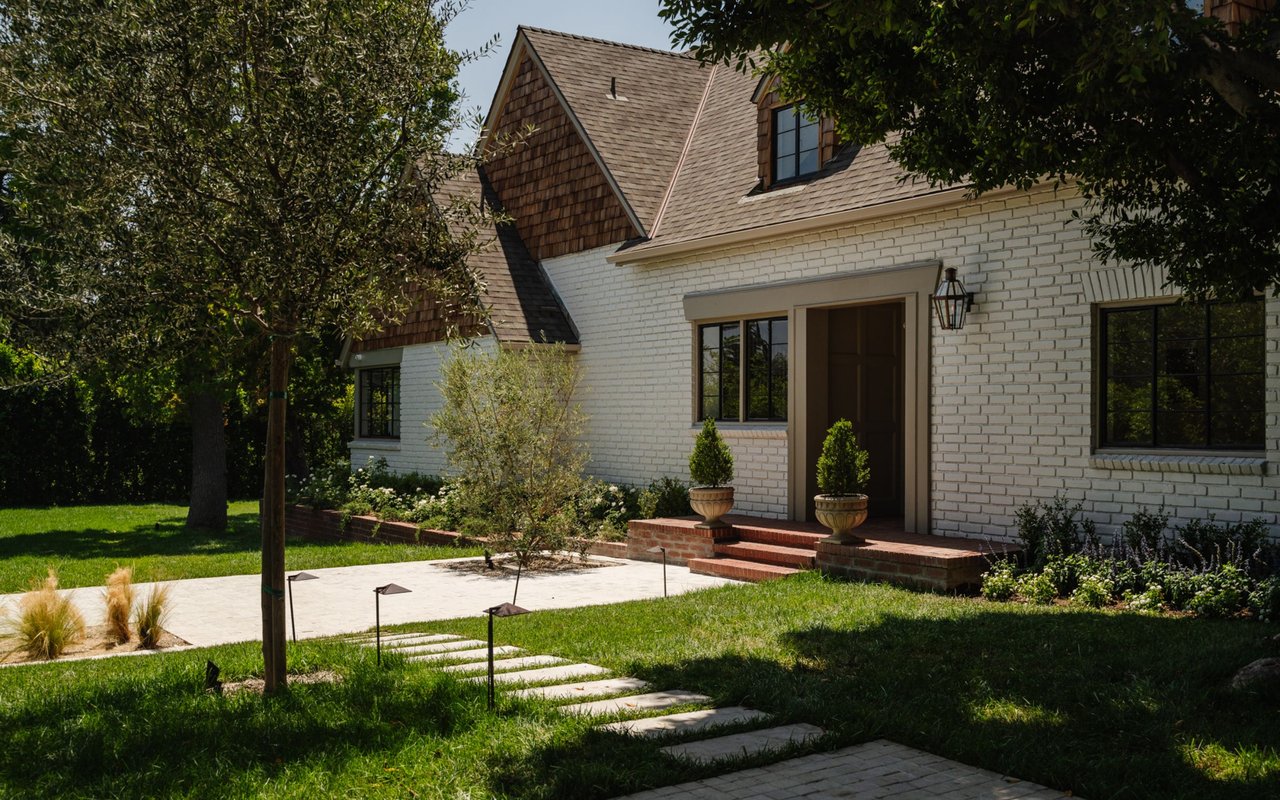
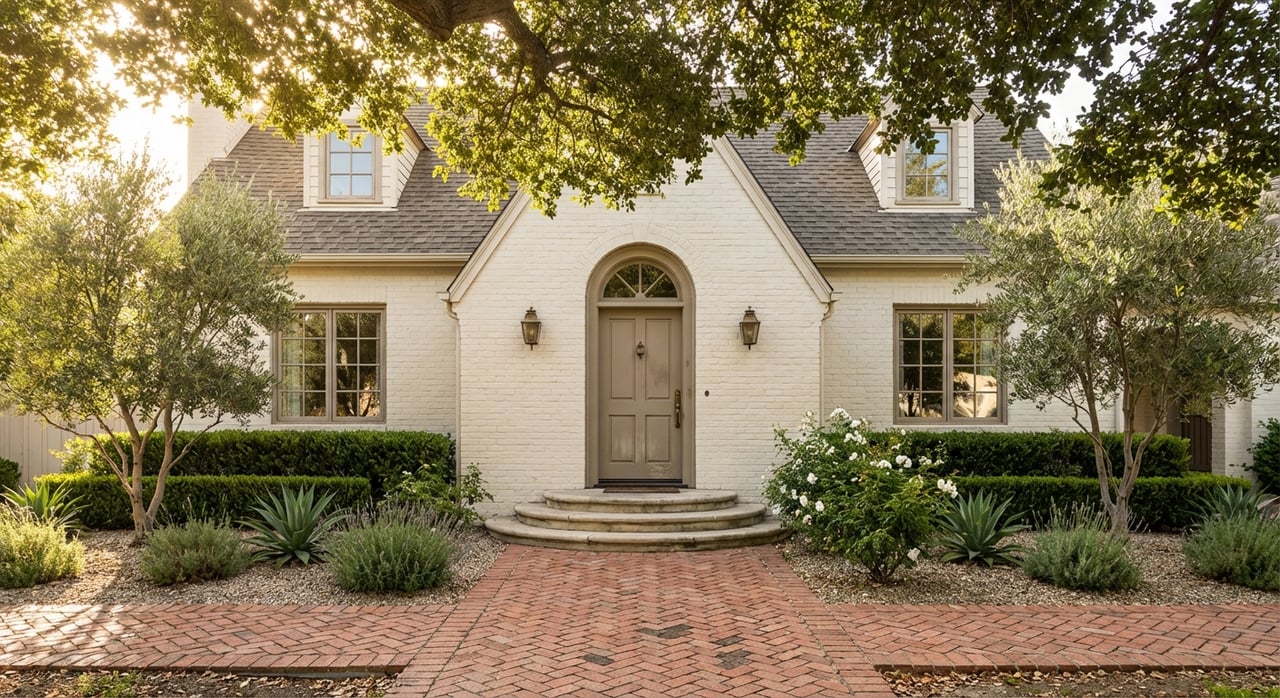
Keep the exterior tidy and true to the era. Trim hedges, refresh paint where it is flaking, and refinish original floors instead of replacing them. Stage with restraint so buyers can focus on millwork, plaster, tile, and light. On walkable Los Feliz streets, a welcoming entry path and a clean, historically sympathetic front door moment make a strong first impression.
Present with design-led marketing
Photography and media plan
Buyers start their search online and rank photos, detailed information, and floor plans among the most valuable listing elements. Plan for production-quality imagery that shows both flow and craftsmanship. Use a photographer who understands architecture. Lead with an evocative exterior, follow with 3 to 6 hero interiors that show circulation, then intersperse close-ups of tile, hardware, windows, and built-ins. Add a floor plan and a short video for depth. See buyer preferences in the latest NAR snapshot of today’s home buyers.
Copy and provenance
Your description should read like a concise architectural brief:
- Style, year built, and architect if known.
- One-line lifestyle hook that ties to Los Feliz Village or Griffith Park.
- Bulleted character features and notable materials.
- Documented upgrades with permit dates.
- Provenance resources and any accolades.
To support claims, cite sources like SurveyLA and HistoricPlacesLA. If you have historic photos, original drawings, or a clear chain of ownership, include an abbreviated “provenance packet” for buyers at showings.
Channels and launch strategy
Core distribution
Maximize exposure through the MLS with a full gallery, floor plan, and accurate feature list. Your listing should emphasize architecture-forward imagery and clear documentation. Coordinate messaging across brokerage networks and qualified buyer lists that value design and preservation.
Local buzz and previews
Tap the Los Feliz and Hollywood broker community with a targeted preview that highlights historic details. Consider an evening preview that lets millwork, plaster, and courtyard lighting shine. When privacy is a priority, use curated private tours and by-appointment showings to maintain control while reaching the right buyers.
Pricing for character homes
There is no universal premium for “historic.” Value comes from condition, provenance, subarea, and how well modern systems are integrated. Build your comp set by micro-location and by level of restoration, not just by style label. Use neighborhood metrics for context, then anchor your price in MLS-quality comparables and documented improvements.
Pre-listing checklist
- Confirm historic status: HPOZ, HCM, and SurveyLA references for your parcel. Start with HPOZs and local districts and the City’s SurveyLA resources.
- Pull permit records: order a LADBS report and clear or disclose open items. Use LADBS permits and property records.
- Complete disclosures: prepare the TDS and NHD; include lead documentation if the home was built before 1978. See California Civil Code 1102.6.
- Address safety: run structural and mechanical inspections. Consider basic seismic upgrades and keep all receipts and permits.
- Plan the presentation: hire an architectural photographer, produce a floor plan, and assemble a provenance packet with photos, permits, and restoration notes.
- Evaluate incentives: if eligible, decide whether a Mills Act contract or preservation easement supports your goals and timeline.
When you are ready to sell, you deserve a plan that respects the architecture and maximizes your net. Our team pairs architecture-forward storytelling with targeted exposure and precise negotiation to deliver premium outcomes. For a private strategy session and pricing analysis tailored to your home, connect with the SANDLER + HIRSCH GROUP.
FAQs
What defines a character home in Los Feliz?
- A character home shows intact period features like original windows, floors, plaster, hardware, and artisan tile. SurveyLA documents many of these resources across the area, which helps buyers and sellers understand significance.
How do I check if my Los Feliz home is in an HPOZ or designated as a Historic-Cultural Monument?
- Search the City’s list of local historic districts and HPOZs and review SurveyLA; confirm parcel status before planning exterior work or marketing claims.
Does a Mills Act contract help my sale?
- A Mills Act contract can reduce property taxes for designated properties, which some buyers value. It also adds preservation obligations. Disclose current status and discuss eligibility with your advisor.
Which disclosures are required when I sell a pre-1978 home in California?
- You must provide the Transfer Disclosure Statement and a Natural Hazard Disclosure, and federal lead rules apply to pre-1978 homes. See California Civil Code 1102.6 for details.
What updates add value without harming authenticity?
- Focus on safety and systems, then discreetly modernize kitchens and baths while keeping period-appropriate finishes. The Secretary of the Interior’s Standards offer guidance on preservation-friendly work.
How important are photos and floor plans for a character home?
- Very important. Buyers start online and value rich visuals and floor plans, so invest in production-quality media that highlights both flow and craftsmanship. See the NAR snapshot for buyer preferences.