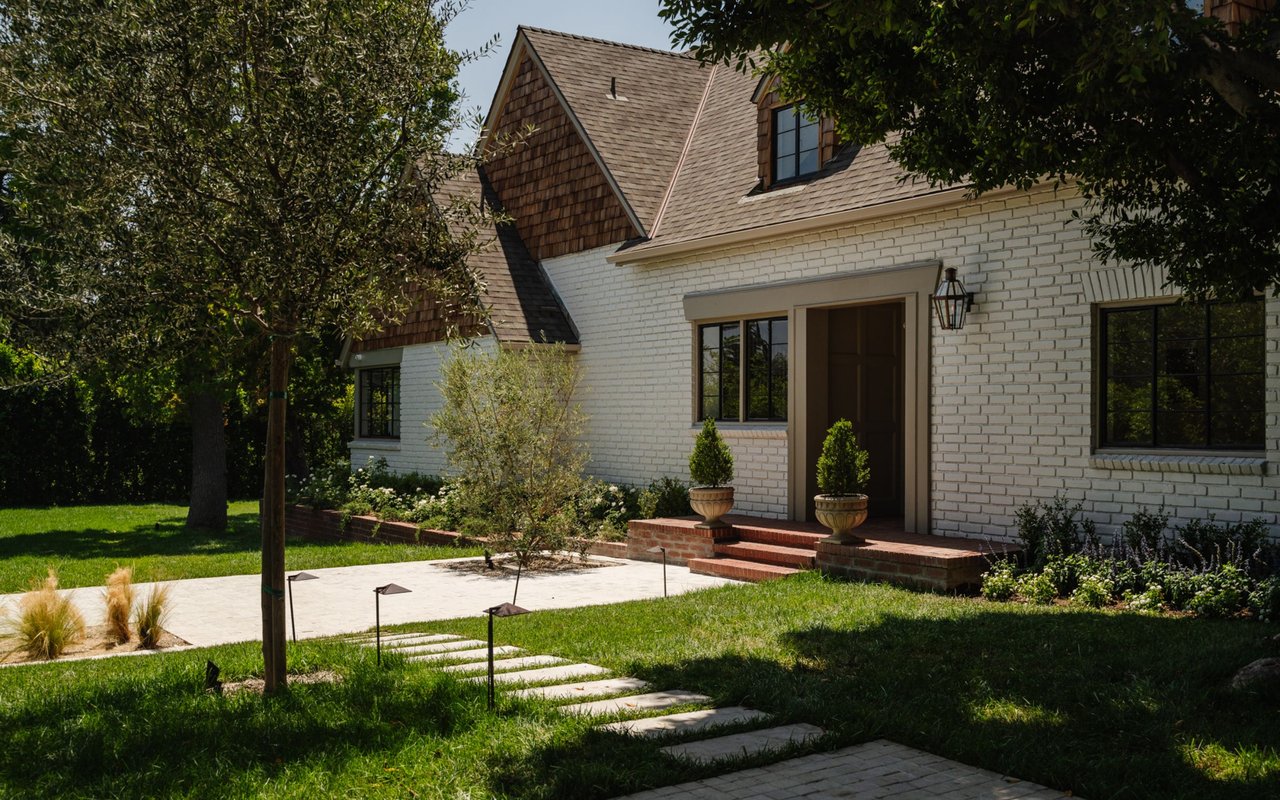
If your condo no longer fits the way you live, Sherman Oaks may be the kind of next move you are already picturing. More space, a yard, and a detached home can offer a very different daily experience, but the jump from condo ownership to a house also changes your budget, maintenance, and decision-making. This guide walks you through what to expect when moving up from a condo to a Sherman Oaks home, so you can plan with more clarity and buy with more confidence. Let’s dive in.
Why Sherman Oaks draws move-up buyers
Sherman Oaks is centrally located in the San Fernando Valley and is widely recognized for shopping and dining along Ventura Boulevard. That central location often appeals to buyers who want a neighborhood with everyday convenience while still pursuing a more substantial home purchase.
Market data also shows why Sherman Oaks often lands on the shortlist for condo owners ready to level up. Realtor.com’s spring 2026 snapshot showed a median listing price of about $1.7 million, while Redfin’s May 2026 data showed a median sale price of $1,345,547, a 56-day median market time, and a somewhat competitive market where some homes receive multiple offers. Since one source tracks listings and the other tracks closed sales, these numbers are best used as directional context rather than exact pricing guidance.
What changes when you leave condo living
A move from a condo or townhome to a detached house is not just about square footage. It is also a shift in how the property is managed, how expenses show up, and how much responsibility falls directly on you.
With condo ownership, there is often an HOA structure involved. California Civil Code Section 4525 requires condo and common-interest sellers to disclose governing documents, regular and special assessments, unpaid assessments and fines, and approved but not yet due changes to assessments. That framework is a reminder that many condo costs are shared and managed within a larger ownership structure.
When you buy a detached home, you generally gain more control over the property. You also take on more direct responsibility for repairs, upkeep, and outdoor maintenance. That tradeoff can feel worth it, but it should be part of your planning from the start.
Budget beyond the down payment
One of the biggest mistakes move-up buyers make is focusing too tightly on the purchase price. Your actual cash needs usually go further than the down payment alone.
According to CFPB guidance cited in the research, closing costs typically run about 2% to 5% of the purchase price, not including the down payment. Using Redfin’s May 2026 median sale price of $1,345,547, that works out to roughly $26,911 to $67,277 before your down payment is added.
The same guidance notes that many loans require at least 3% down, many require 5% or more, and that putting 10% or 20% down can reduce costs. For many condo owners, that means the sale of the current property becomes a key part of the move-up strategy.
It also helps to leave room for the practical costs that arrive right after closing. CFPB notes that buyers should budget for repairs, furniture, moving costs, utility setup fees, and an emergency cushion instead of using every available dollar for the purchase itself.
A simple move-up budget checklist
Before you shop seriously, map out these categories:
- Down payment
- Closing costs
- Moving expenses
- Utility setup fees
- Immediate repairs or updates
- Furniture or storage needs
- Emergency reserves
- Carrying costs tied to the new home
That last category matters more than many buyers expect.
Property taxes work differently on a new house
If you are coming from a condo, your current tax bill may not be a useful guide for what comes next. In Los Angeles County, property taxes should be modeled from your new purchase price, not the seller’s existing tax bill.
Los Angeles County applies a general 1% levy plus debt service and direct assessments. California’s supplemental assessment system can also create an additional bill after a change in ownership. On a $1,345,547 purchase, the base 1% levy alone is about $13,455 before direct assessments are added.
For a move-up buyer, that means monthly ownership costs can rise even if your mortgage payment feels manageable on paper. Running those numbers early can help you avoid stretching too far.
Insurance deserves a closer look
Insurance is another area where detached-home ownership can feel very different from condo life. A condo owner may be used to a more limited personal policy because parts of the property are covered through the association’s master policy structure.
For a detached house, you need to think more broadly. The California Department of Insurance states that homeowners, renters, and condominium policies do not cover earthquake damage, and earthquake coverage is separate and is usually purchased through a CEA-participating insurer.
That matters even more if the home includes outdoor features. The same source notes that CEA policies do not cover landscaping, pools, fences, masonry, or separate buildings. If you are buying a Sherman Oaks home with a substantial yard or pool area, it is smart to understand those limits before you close.
Yards and pools add lifestyle and cost
For many condo owners, outdoor space is one of the main reasons to move. A private yard can be a meaningful quality-of-life upgrade, and a pool can feel like a true Southern California luxury.
But outdoor features come with recurring costs. National 2026 cost guides cited in the research put routine pool service at about $80 to $150 per month and landscaping maintenance at about $100 to $200 per month on average, with larger yards reaching roughly $300 per month. These are national benchmarks, not Sherman Oaks-specific quotes, but they help frame what ownership may involve.
If a house has a pool, city requirements also matter. Los Angeles Department of Building and Safety guidance says residential pool plans must show the pool enclosure, the barrier must be at least 60 inches high, and the gate must open outward and be self-closing and self-latching. The city also treats pools and pool barriers as permit-regulated work.
In practical terms, you should evaluate a pool as both a lifestyle feature and a regulated asset. A beautiful backyard can absolutely be worth it, but it deserves careful review during your search and due diligence.
Use your condo sale to define the next step
Your condo is not just where you live now. It is also likely the main financial bridge to your next purchase.
If you own in a common-interest development, California Civil Code Section 4525 can affect your sale process and net proceeds. Sellers must provide HOA governing documents and a statement of current regular and special assessments, unpaid assessments and fines, and approved but not yet due changes. If your building has elevated dues or pending special assessments, those details can shape how much cash you have available for the move.
That is why it helps to think about your condo sale and Sherman Oaks purchase as one connected strategy instead of two separate events. A clear understanding of your likely net proceeds creates a much stronger foundation for your next search.
Compare Sherman Oaks with nearby options
Sherman Oaks is not a uniform product, and it helps to compare it with nearby Valley neighborhoods before you commit. The area is part of the Sherman Oaks, Studio City, Toluca Lake, and Cahuenga Pass Community Plan Area, and Ventura Boulevard functions as a major shopping and dining spine.
For some buyers, being closer to that corridor is a major plus. For others, the goal is a setting that feels less tied to the main commercial activity. That is why block-by-block comparison matters so much.
Spring 2026 listing data gives a useful snapshot of nearby pricing context. Realtor.com’s chart showed Valley Village at about $1.299 million median listing price, Sherman Oaks at about $1.725 million, Encino at about $1.999 million, and Studio City at about $2.275 million.
For a condo owner, that spread helps define the move. You may be aiming for a measured step up, or you may be considering a larger lifestyle change with a bigger budget jump.
Four questions to ask before you buy
If you want to simplify the decision, focus on four core questions.
How much cash will you have after the condo sale?
This is the starting point for everything else. Your net proceeds, closing costs, and reserves will shape what kind of home feels comfortable, not just technically possible.
Is the yard or pool worth the recurring cost?
Outdoor space can be one of the best parts of homeownership. It can also become an ongoing line item, so it is worth deciding early how much maintenance you actually want to take on.
How will taxes and insurance change your monthly cost?
A higher purchase price usually means higher taxes, and detached-home insurance needs are often broader than condo owners expect. Looking at the full monthly carrying cost gives you a more realistic picture than mortgage alone.
Which pocket of Sherman Oaks fits your priorities?
Some buyers value convenience to Ventura Boulevard’s amenities. Others prefer a location that feels more removed from that activity. Your ideal fit usually comes down to your preferred balance of access, privacy, and home style.
A more strategic way to move up
Moving from a condo to a Sherman Oaks home is often less about making a simple upgrade and more about making a smarter transition. The right house should support how you want to live, but it should also make sense when you look closely at upkeep, taxes, insurance, and the cash you need after your condo sale.
When you approach the move with a clear plan, you can evaluate homes with better judgment and less stress. That is especially important in a market where pricing can vary meaningfully by property, block, and nearby neighborhood.
If you are considering your next move in Sherman Oaks and want a more tailored strategy for selling your current property and identifying the right next purchase, SANDLER + HIRSCH GROUP can help you navigate the process with discretion, clarity, and hands-on guidance.
FAQs
What should condo owners know before buying a Sherman Oaks house?
- You should plan for more than the purchase price, including closing costs, property taxes based on the new price, insurance differences, and direct responsibility for maintenance.
How much are closing costs on a Sherman Oaks home purchase?
- Based on CFPB guidance cited in the research, closing costs typically run about 2% to 5% of the purchase price, not including your down payment.
How do property taxes change when moving from a condo to a house in Los Angeles County?
- Los Angeles County property taxes should be modeled from the new purchase price, with a general 1% levy plus debt service and direct assessments, and a supplemental bill may also apply after a change in ownership.
What should buyers know about pools at Sherman Oaks homes?
- Pools can add monthly service costs, and Los Angeles requires permit-regulated pool and barrier standards, including a minimum 60-inch barrier and a self-closing, self-latching gate.
How does selling a condo affect moving up to a Sherman Oaks home?
- Your condo sale can directly shape your budget because net proceeds may be affected by HOA dues, special assessments, unpaid amounts, and other disclosures required under California Civil Code Section 4525.
How does Sherman Oaks compare with nearby Valley neighborhoods for move-up buyers?
- Spring 2026 listing data in the research showed Sherman Oaks priced above Valley Village and below Encino and Studio City, which can help you decide whether you want a moderate or more substantial step up in budget.