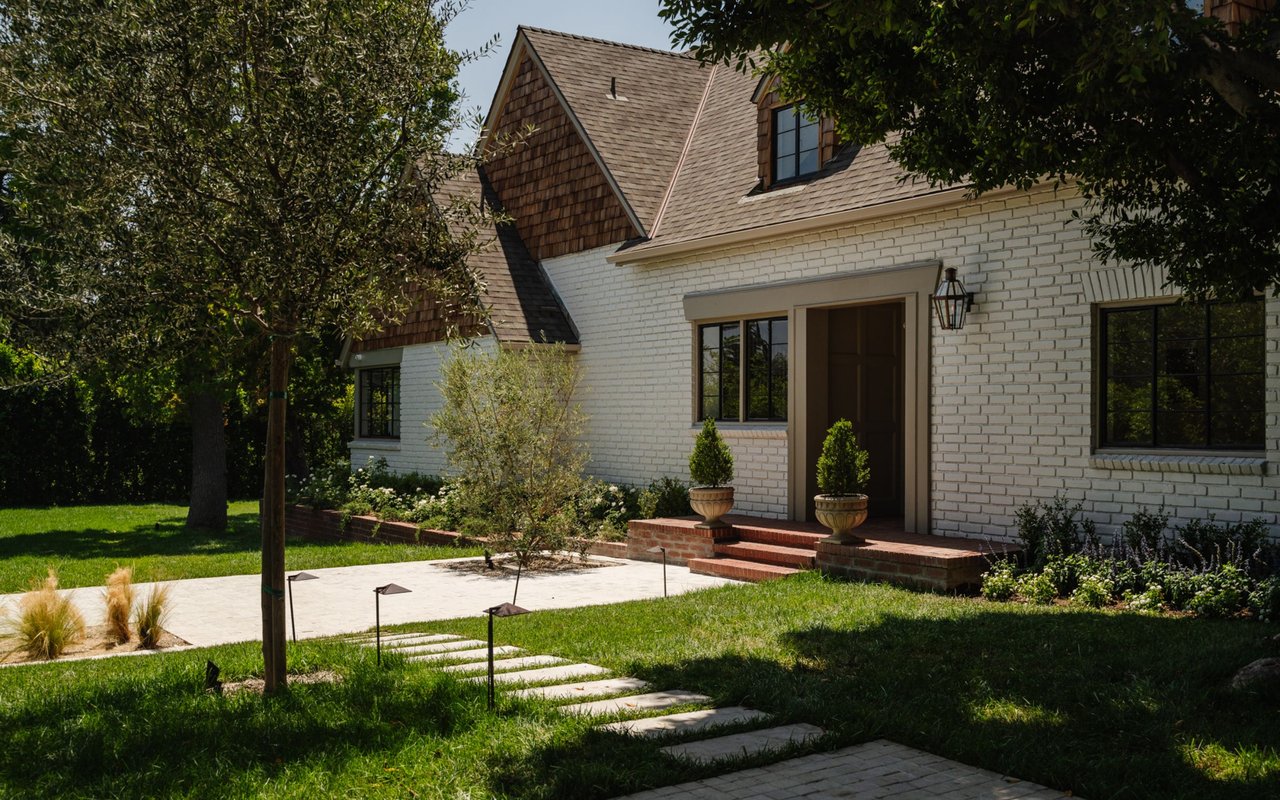
A Malibu second home can feel effortless on day one and surprisingly demanding by month six. That is often the gap between buying a beautiful property and owning one that truly fits your life, your schedule, and the realities of the coast. If you are thinking about a Malibu retreat, the smartest plan starts with how the home will actually function year-round. Let’s dive in.
Start With Malibu’s Real Constraints
In Malibu, lifestyle and planning are closely connected. The entire city sits within the California coastal zone, and development is governed by Malibu’s Local Coastal Program and the local coastal development permit process. The city also states that its Local Coastal Program regulates zoning and land use, and amendments must be certified by the California Coastal Commission before they take effect.
For you as a second-home buyer, that means the property’s setting is never just aesthetic. A site near the beach, in a canyon, or on a hillside can shape what improvements are possible, what maintenance will look like, and what due diligence matters most before you close.
Choose Coast or Canyon Carefully
A Malibu address can mean very different day-to-day ownership experiences depending on where the home sits. The right fit is less about a generic “best” location and more about how you want to use the home and manage it when you are away.
Coastline Living: Easier Climate, More Exposure
Southern California’s coastal climate is Mediterranean, with mild winters and very dry summers. NOAA notes that microclimates can vary sharply, and a foggy beach area can be about 15 degrees cooler than a location just a mile inland. For part-time owners, that can make coastal Malibu feel comfortable even when inland areas are much warmer.
That comfort comes with tradeoffs. The California Coastal Commission says sea level rise is expected to intensify flooding, inundation, wave impacts, coastal erosion, and saltwater intrusion, with California sea levels projected to rise by 1 to 6.6 feet by 2100 depending on the scenario. EPA guidance also notes that coastal flooding can lead to salt-related corrosion in buildings and systems.
If you are considering a beach property, think beyond views and access. Exterior materials, mechanical systems, and other components may need more frequent attention than a similar home farther inland.
Canyon Living: More Shelter, Different Risk
Canyon homes can feel more tucked away, but the risk profile shifts. NOAA says Santa Ana winds are strongest below passes and canyons, and EPA guidance notes that buildings on slopes are more vulnerable to erosion and landslides.
In practical terms, canyon or hillside ownership often puts more weight on brush clearance, drainage, driveway access, and evacuation readiness. A home can be visually private and still require more active planning to function smoothly in fire weather or after heavy rain.
Treat Wildfire Readiness as Core Due Diligence
In Malibu, wildfire planning is not a side topic. The city says all properties sold within city limits are subject to AB 38 defensible-space documentation because all of Malibu is designated as a Very High Fire Hazard Severity Zone.
That matters before closing, not after. If you are buying a second home, ask for the AB 38 documentation early and review how the property handles defensible space, home hardening, and inspection access. This is especially important if the home is near brush, on steep terrain, or in a canyon setting.
A home may photograph beautifully, but second-home ownership works best when the property is ready for the conditions Malibu regularly faces. In this market, resilience is part of luxury.
Plan for Insurance Early
Insurance should be part of your search process, not just your closing checklist. The California Department of Insurance says homeowners should shop and compare policies early, and if regular coverage is unavailable, they may need the California FAIR Plan, which is a limited fire-only option that can be supplemented with additional coverage.
The key takeaway is simple: do not assume coverage will be straightforward just because the home is exceptional. Get quotes early enough that insurance realities can inform your purchase decision, not complicate it at the end.
Build Around Seasonal Use
A second home in Malibu may not be occupied full-time, but it still needs a full-time operating plan. NOAA says most precipitation in Southern California falls between November and March, while the region otherwise experiences long dry periods.
That seasonal pattern affects how you should think about maintenance. Exterior upkeep, drainage checks, and minor repairs should be planned around both winter rain and summer fire season. If the home sits empty for stretches, small issues can become expensive quickly.
A practical second-home plan usually includes:
- A trusted local property manager or contact
- A maintenance calendar for exterior systems and seasonal checks
- A clear plan for irrigation, refrigeration, alarms, and automatic gates
- A post-storm or post-red-flag inspection routine
Understand Power Outage Reality
For many Malibu owners, outage planning is part of normal ownership. The city says Public Safety Power Shutoff events can shut off power by circuit when critical fire weather is forecast, and restoration can take 24 to 72 hours after the threat passes.
The city also warns that during outages, gates and garage doors may need to be opened manually, and cell service and internet can fail. If you own a canyon or hillside home, this becomes even more important because access and remote monitoring may depend on systems that do not work during an outage.
Your second home should have a simple backup protocol. At minimum, think through manual gate access, backup lighting or power, alert subscriptions, and who can check the home locally after a red-flag event.
Check Wastewater Systems Before You Commit
Wastewater is one of the most practical and overlooked parts of Malibu due diligence. The city says a Coastal Development Permit is required to install a new onsite wastewater treatment system, and existing OWTS permits are tied to sale transactions and short-term rental permits.
EPA guidance says septic tanks are generally inspected every 1 to 3 years and pumped every 3 to 5 years, while more complex systems can require annual inspection. EPA also notes that some chamber systems are well suited to variable occupancy, including seasonal use.
If the home uses an OWTS, ask for:
- Permit status
- Inspection history
- Pumping records
- Operating requirements
- Any documentation tied to the current sale
EPA also notes that the owner is responsible for operation, maintenance, and repairs, and that routine maintenance is far less expensive than replacement. For a second home that sits empty at times, this is not a detail to skip.
Be Conservative About Rental Income
Many buyers like the idea of offsetting costs with occasional short-term rental income. In Malibu, that opportunity exists, but it is heavily regulated.
The city says homes rented or leased for 30 days or less must have a permit and are subject to transient occupancy tax, which Malibu voters raised to 15 percent effective January 1, 2021. The city also says operating a short-term rental without a valid permit violates the ordinance.
There is another layer. Malibu states that its hosted short-term rental ordinance would add onsite-host and primary-residency requirements, but those rules cannot take effect until related Local Coastal Program amendments are certified by the California Coastal Commission. The city also says an operating permit for the property’s OWTS is required to obtain or keep a short-term rental permit.
For you, the practical takeaway is to underwrite rental income cautiously. In Malibu, rental potential should be treated as optional upside, not the foundation of affordability.
A Simple Malibu Second-Home Checklist
Before you move forward on a property, focus on the items that affect actual ownership most:
- Confirm whether the parcel is coastal, hillside, or canyon-sited
- Map the likely hazard profile for wildfire, PSPS exposure, slope issues, erosion, and sea level impacts
- Request AB 38 documentation before close of escrow
- Get insurance quotes early
- Verify whether the home uses an onsite wastewater treatment system
- Review permit, inspection, and pumping records for that system
- If rental flexibility matters, confirm permit status, tax obligations, and wastewater requirements
- Create a remote-ownership protocol for outages, access, and local check-ins
This kind of planning may feel unglamorous compared with architecture, views, or interior finishes. In practice, it is what turns a Malibu property into a second home that works beautifully over time.
Buy for Lifestyle, Own for Reality
The best Malibu second homes balance aspiration with operational clarity. You want a property that reflects how you plan to live, but also one that can handle the very specific planning, maintenance, fire, coastal, and utility realities of this market.
That is where thoughtful guidance matters. A strong purchase is not just about finding a remarkable home. It is about understanding how that home performs in Malibu, season after season, whether you are there every weekend or only part of the year.
If you are considering a Malibu second home and want a more tailored acquisition strategy, connect with SANDLER + HIRSCH GROUP for discreet, hands-on guidance.
FAQs
What should you check before buying a Malibu second home?
- You should confirm the property’s siting, review wildfire and PSPS exposure, request AB 38 documentation, get insurance quotes early, and verify whether the home has an onsite wastewater treatment system with current records.
How does coastline living differ from canyon living in Malibu?
- Coastal homes may benefit from milder temperatures, but they can face more exposure to sea level rise, flooding, erosion, and salt-related corrosion, while canyon homes may require more attention to wildfire risk, slope stability, drainage, and evacuation readiness.
Why is AB 38 important for Malibu homebuyers?
- Malibu says all properties sold within city limits are subject to AB 38 defensible-space documentation because the entire city is designated as a Very High Fire Hazard Severity Zone.
What should you know about insurance for a Malibu second home?
- The California Department of Insurance advises homeowners to compare policies early, and if standard coverage is unavailable, buyers may need the California FAIR Plan, which is a limited fire-only option that can be supplemented with additional coverage.
Can you use a Malibu second home as a short-term rental?
- Yes, but homes rented for 30 days or less must have a permit, are subject to transient occupancy tax, and may also need qualifying wastewater documentation, so rental use should be evaluated conservatively.
Why does a wastewater system matter in Malibu home ownership?
- Malibu says new onsite wastewater treatment systems require a Coastal Development Permit, and existing system permits can be tied to sale transactions and short-term rental permits, making system records and maintenance history an important part of due diligence.