Pricing a Malibu oceanfront home is not like pricing a typical house. The buyer pool is specialized, inventory is scarce, and small details can swing value in a big way. If you want a price that attracts serious buyers without leaving money on the table, you need a plan grounded in how Malibu works. This guide breaks down the drivers of value, the regulatory and insurance realities, and the tactics that protect your time and privacy while maximizing results. Let’s dive in.
Know the Malibu oceanfront market
Malibu’s oceanfront segment is a high-end, low-inventory market. Your likely buyers include high-net-worth individuals, second-home seekers, and entertainment or tech executives. This group is sensitive to wealth trends, stock market performance, and interest rates, which can influence showing volume and days on market.
Because truly oceanfront parcels are scarce, even a single new listing can change local averages. Seasonality matters too. Activity tends to rise in spring and summer, so your timing and pricing window should account for when the most qualified buyers are in market.
Cash offers are common, but financing still happens. Lenders and appraisers can be conservative on the coast, especially when there are hazard or permitting questions. Expect underwriting to look closely at risk, insurance, and comparable sales.
What drives value on the water
Shoreline position
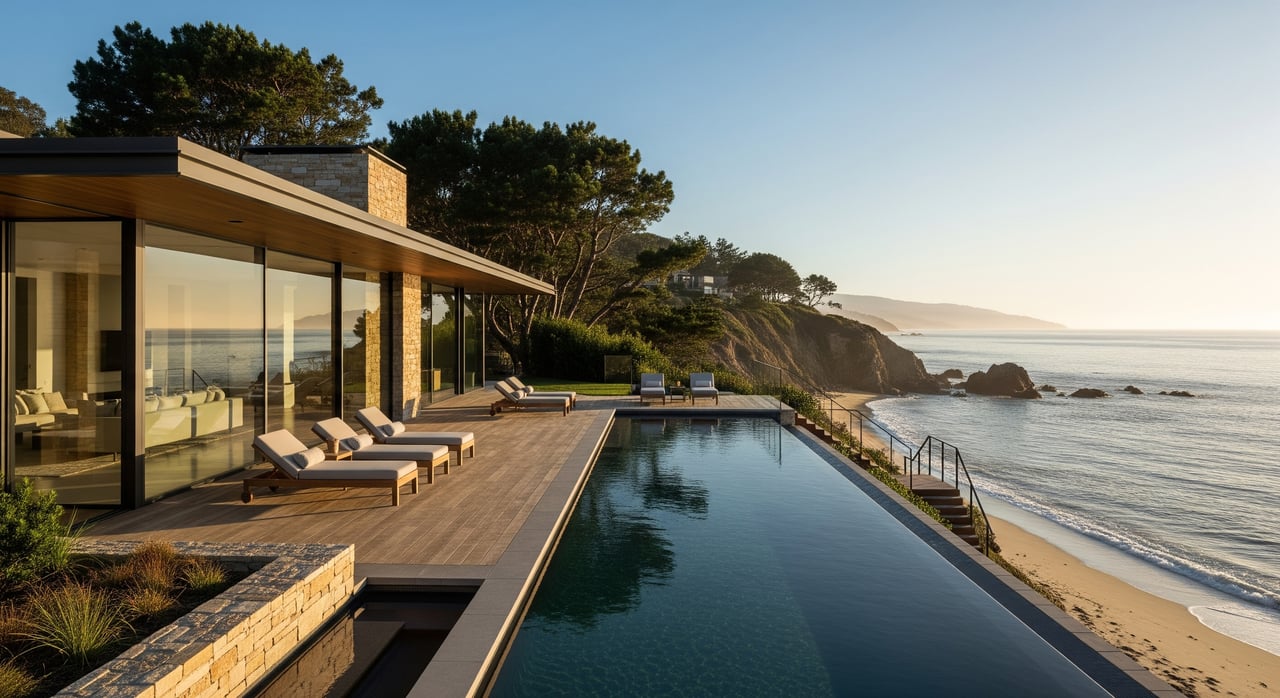
Direct sandy beachfront typically commands the highest premium. Bluff-top homes offer privacy and dramatic views, but pricing must reflect erosion risk and setback rules. Ocean-view properties set back from the shoreline can sell at a discount to beachfront while appealing to buyers who want views with lower hazard exposure.
Beach rights and access
Private rights to the sand, a deeded path, or on-parcel access add value. Recorded public access easements and rights of way can reduce exclusivity and impact price. Clear documentation around the mean high tide line and any easements helps buyers understand what they are purchasing.
Condition and usable living space
In luxury coastal homes, effective, usable living space often matters more than raw square footage. Quality finishes, recent renovations, and functional outdoor areas like terraces and private stairs to the beach support stronger pricing. Unpermitted work or noncompliant additions tend to bring discounts or repair requests.
Coastal hazards and mitigation
Flood-zone exposure, bluff stability, storm history, and the presence or absence of permitted protection structures influence both price and buyer confidence. Buyers weigh insurance availability and lender comfort alongside lifestyle appeal. If there is a seawall, its permitting history and condition will affect perceived value.
Privacy, security, and provenance
Estate-level privacy, controlled access, and notable ownership history can enhance value for certain buyers. High public visibility or heavy foot traffic near popular beaches may limit willingness to pay. Show how the property manages access and privacy to justify a premium.
Access and infrastructure
Parking capacity, ease of ingress and egress on Pacific Coast Highway, and proximity to services matter in day-to-day living. Sewer versus septic is another pricing factor, along with any site or utility constraints that affect future plans.
Zoning and development potential
Allowable uses, height limits, and expansion potential within Malibu’s municipal code and local coastal program are key. If legal expansion or replacement is possible, some buyers will pay more for that future option. If constraints are tight, pricing should reflect it.
Regulatory and insurance factors to price in
Coastal permits and approvals
Most development within the Coastal Zone requires approvals. Buyers and lenders look for a clean history of Coastal Development Permits and local permits. Restrictions on hard armoring and bluff development can limit future changes, so it is smart to price with those limits in mind.
Flood, erosion, and sea-level considerations
Flood-zone designations and local hazard mapping shape insurance, lending, and long-term buyer expectations. Sellers who provide current elevation certificates, geotechnical evaluations, and coastal engineering insights reduce friction and justify price.
Insurance availability and cost
Coastal insurance can be more expensive and harder to secure. Some buyers choose cash to sidestep underwriting delays, while others will ask for evidence of insurability at a reasonable cost. Being proactive with quotes or broker letters can support your asking price.
Appraisal and lending
Limited comps are common on the coast. Appraisers may rely on larger feature adjustments or bring in replacement cost thinking for unique construction. Expect lenders to scrutinize hazard and permit risk, with higher down-payment expectations in some cases.
Taxes and transaction costs
Property tax basis follows state rules, and transfer and recording costs vary by jurisdiction. Buyers and sellers often consult tax advisors on capital gains and ongoing exposure. Pricing strategy should account for these realities as you evaluate offers.
Set your pricing strategy
Build a defensible valuation
Start with a detailed comparative market analysis that distinguishes beachfront, bluff-top, and ocean-view comps. Document qualitative and quantitative adjustments for private access, permitted improvements, and hazard exposure. When comps are thin, use replacement cost as a secondary lens and consider income assumptions only if the property is genuinely income producing and allowed.
Choose your price band
Luxury buyers respond to price anchors. Overpricing reduces qualified showings and can lead to a stale listing. Underpricing can trigger competition, but you risk leaving money on the table. Consider setting the ask just below a key threshold to broaden visibility, or hold a firm price if you are prioritizing discretion and exclusivity.
Market presentation that supports price
Cinematic photography and video, including aerials and twilight work, help buyers experience the property’s setting. Floor plans and virtual tours clarify flow and usability. A strong due-diligence packet that includes title, surveys, permits, hazard reports, and indicative insurance information builds trust and speeds execution. Highlight distinctive coastal features like a private beach staircase, permitted protection structures, recent major renovations, and privacy and security amenities.
Offers, appraisals, and negotiation
Prepare for appraisal gaps and financing hurdles. Cash or large down payments, proof of funds, and solid pre-approval letters strengthen buyer credibility. Limited contingencies and shorter inspection periods can be attractive when your documentation is tight, but be clear on trade-offs before you commit.
Timeline and adjustments
Set a review cadence, often 30 to 45 days, to assess showings, feedback, and competitive inventory. Before cutting price, evaluate a shift in marketing strategy, audience targeting, or media. If a reduction is warranted, make a decisive change instead of repeated small cuts that can signal weakness.
Off-market vs. public launch
Some Malibu sellers prefer pocket listings or private showings to protect privacy. Targeted outreach can maintain exclusivity and still reach qualified buyers. The trade-off is reduced price discovery and fewer data points early in the process. If time to sell is important, a full public launch with premium production and international reach generally surfaces more buyers faster.
Due-diligence checklist for oceanfront sellers
- Property and title
- Title report, chain of title, and any recorded easements or public rights of way
- ALTA or boundary survey, including mean high tide or mean high water line, if applicable
- Permits and compliance
- Building permits, Coastal Development Permits, grading permits, and any notices of violation
- Verification of permitted status for additions, decks, and protection structures
- Environmental and coastal reports
- Geotechnical evaluation for bluff stability and slope risk
- Coastal engineering review for seawall condition and storm exposure
- Documentation of any past storm damage or related claims
- Insurance and lending pre-checks
- Sample insurance quotes for homeowners, wind, and flood where applicable
- Conversations with lenders and appraisers experienced in Malibu coastal properties
- Utilities and access
- Sewer or septic status and compliance
- Water source and utility easements
- Parking capacity and Pacific Coast Highway ingress and egress considerations
- Buyer-facing documents
- High-quality media and a clear property story
- A compiled packet of reports, permits, and disclosures to streamline escrow
Providing this information upfront removes friction, strengthens buyer confidence, and supports a premium price.
How SANDLER + HIRSCH GROUP helps
You want a result that honors your home and your time. Our team pairs design-forward storytelling with hands-on advisory to position your property as a lifestyle, not a commodity. We coordinate production-level media, craft a clear narrative around unique coastal features, and package due diligence so buyers can act decisively. With boutique attention backed by broad distribution, we help you price with confidence and negotiate from strength.
Ready to discuss a pricing strategy tailored to your property and priorities? Connect with the SANDLER + HIRSCH GROUP for a private consultation.
FAQs
How are Malibu oceanfront homes valued vs. ocean-view homes?
- Direct beachfront typically commands a premium, while ocean-view homes sell at a discount that reflects reduced shoreline access and coastal risk.
How do flood zones and erosion affect price and demand?
- Flood designations, bluff stability, and storm history influence insurance, lender comfort, and buyer confidence, which buyers factor into offers.
Can buyers get a mortgage on Malibu oceanfront properties?
- Yes, but underwriting is more conservative on the coast, so larger down payments and appraisers with coastal experience are common.
Are seawalls a benefit or a liability in pricing?
- Properly permitted and engineered protection can preserve use, while unpermitted structures are a risk that often reduces value.
When is the best season to list a Malibu oceanfront home?
- Spring and summer typically see higher activity, but your timing should also align with current inventory, buyer trends, and your readiness to launch.