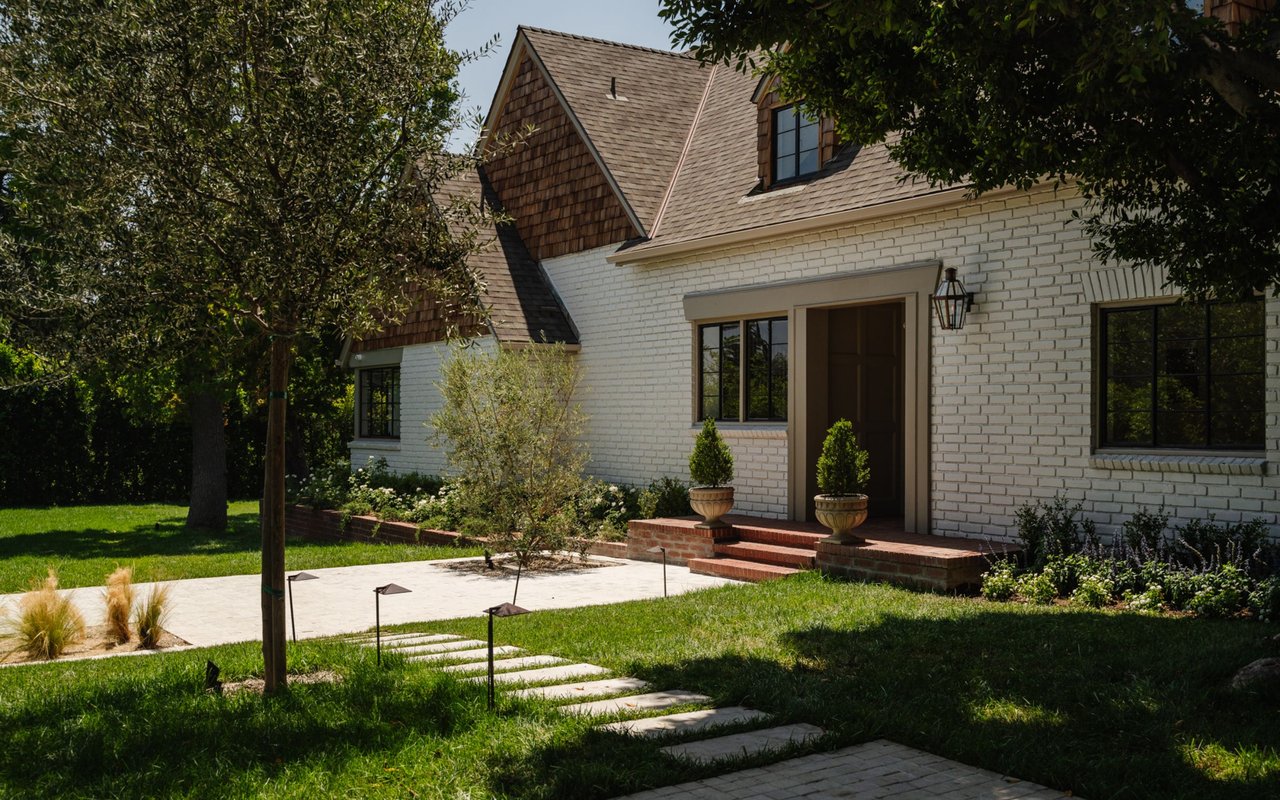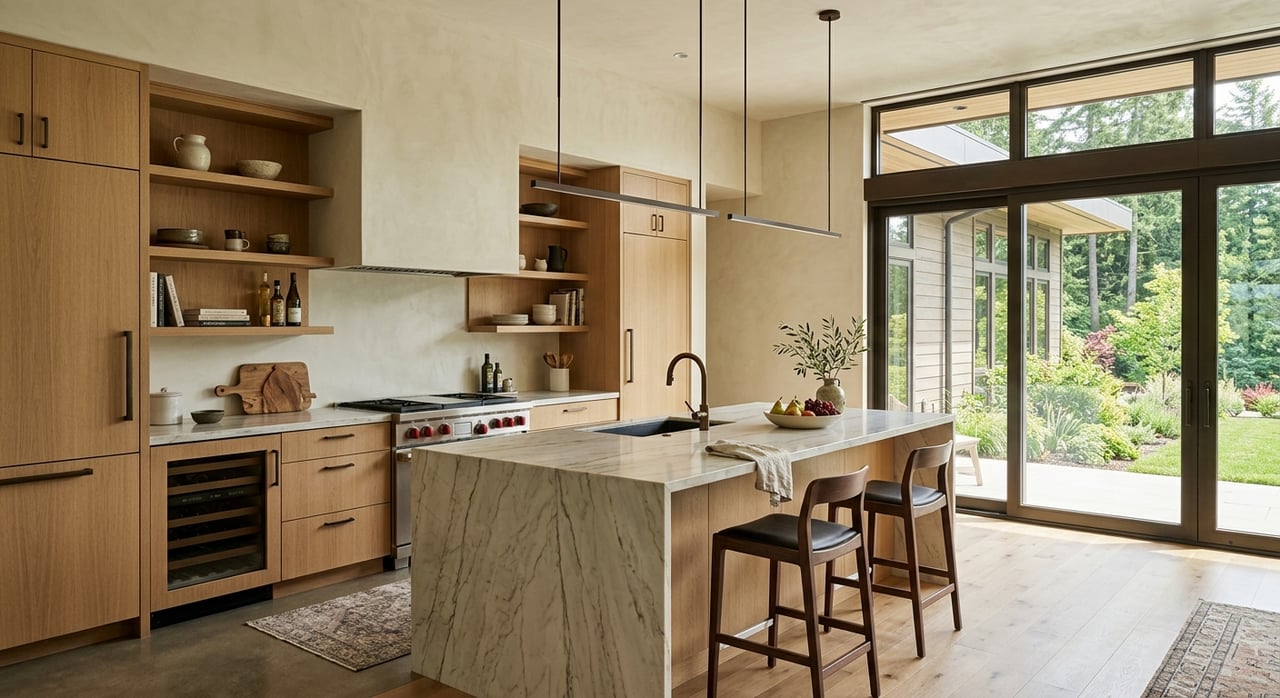
If your Silver Lake home was designed with real intention, you already know it cannot be marketed like a generic listing. Buyers in this part of Los Angeles often notice more than bedroom count and square footage. They pay attention to light, site placement, materials, and the story behind the architecture. If you are preparing to sell, the goal is to help buyers understand that value quickly and clearly. Let’s dive in.
Why Silver Lake Rewards Design
Silver Lake has a distinct architectural identity, and that shapes buyer expectations. The Silver Lake Neighborhood Council describes the area as a hillside district shaped by the reservoir and by streets that follow the contours of the land. Its housing stock includes Tudor, Mission Revival, Streamline Moderne, and notable work by architects such as Schindler, Neutra, Lautner, Gregory Ain, Harwell Hamilton Harris, and Raphael Soriano.
The City’s Silver Lake-Echo Park-Elysian Valley community plan also documents architecturally significant structures in the area. That matters when you sell because buyers often see the home itself as part of the reason to buy in Silver Lake. In this market, design is not a side note. It is often central to how a property is perceived.
The neighborhood’s design culture is reinforced by preserved landmarks like Silvertop, Richard Neutra’s VDL Research House II, Avenel Cooperative Housing, and the Maltman Bungalows, all profiled by the LA Conservancy. These examples help explain why Silver Lake buyers may respond to architectural provenance, craftsmanship, and site-specific design. They are used to seeing homes discussed as cultural and design objects, not only as real estate inventory.
What Today’s Silver Lake Market Suggests
Silver Lake remains active, but buyers still need clarity. Recent public market data shows median pricing in the mid-$1 million range, though exact figures vary by source and methodology. Redfin reported a median sale price of $1,416,524 for the three months ending May 2026, while Zillow reported a median sale price of $1,366,500 for April 2026 and a typical home value of $1,471,714 as of May 31, 2026.
Speed is also notable. Redfin reported average selling time at 34 days, and Zillow reported a median days-to-pending figure of 19. Realtor.com reported a median listing price of $1.75 million and a sale-to-list ratio of 102% in May 2026.
The takeaway is simple. Silver Lake is active and somewhat competitive, but that does not mean every buyer will instantly decode a design-forward home. If your property has architectural merit, your marketing needs to make that merit legible from the start.
Make the Architecture Easy to Read
When a home is unique, too much styling can blur its strengths. The better approach is to make the architecture easy to understand at a glance. Buyers should quickly grasp the plan, the light, the relationship to the site, and the materials that define the home.
That does not mean stripping out personality. It means editing the presentation so buyers can see what matters most. In a design-forward Silver Lake home, the strongest visual story often comes from restraint.
Think of your listing as an editorial presentation. Rather than trying to showcase every finish or decorative choice, focus on the elements that explain the home’s point of view. If the house has original details, a thoughtful renovation, or a compelling indoor-outdoor relationship, those should lead the story.
Features to foreground
- Natural light and window placement
- Floor plan flow and room connection
- Relationship between the house and the hillside or lot
- Original architectural details
- High-quality replacement materials where originals are not intact
- Clear renovation scope and design intent
- Outdoor spaces that extend daily living
Why Staging Still Matters
Even in an architecture-led home, presentation affects how buyers respond. In the 2025 Profile of Home Staging, 83% of buyers’ agents said staging made it easier for buyers to visualize the property as a future home. The same report found that photos, traditional physical staging, videos, and virtual tours were all considered important in helping buyers engage with a listing.
On the seller side, the most common recommendations were practical ones. Agents most often suggested decluttering, entire-home cleaning, and curb appeal improvements. That advice is especially useful in Silver Lake, where visual noise can compete with the home’s actual design strengths.
Staging does not need to feel heavy-handed. For a design-forward property, the goal is not to impose a new identity. The goal is to remove distractions so buyers can imagine living with the architecture, rather than sorting through someone else’s taste.
Smart staging priorities for Silver Lake sellers
- Declutter surfaces and sightlines
- Deep clean the entire home
- Refine curb appeal with simple, well-kept landscaping
- Remove furniture that blocks circulation or natural light
- Keep styling minimal and consistent with the home’s architecture
- Use photography that captures space, material texture, and daylight honestly
NAR’s staging report also suggests staging can influence both price and timing. Twenty-nine percent of agents said staging led to a 1% to 10% increase in the dollar value offered, and 49% of sellers’ agents reported some reduction in time on market. For a distinctive home, that kind of clarity can be especially valuable.
Documentation Builds Buyer Confidence
A beautiful home story is stronger when the paperwork supports it. If your Silver Lake property has been renovated, documentation can become one of your most persuasive assets. Buyers often want to know not only what was changed, but whether the work was properly permitted and finalized.
According to the Los Angeles Department of Building and Safety, building permits are required for new construction, additions, alterations, and demolition or removal. LADBS also states that permit approval is not complete until the work has been inspected and accepted. Just as important, the department notes that permits and inspections provide useful documentation when a homeowner later sells or refinances.
That means renovation records are not just administrative details. They help support credibility. If your home includes meaningful updates, a clean record of permits, final inspections, and scope of work can help buyers feel more comfortable moving forward.
Documents worth organizing before listing
- Permit records for additions, alterations, or major systems work
- Final inspection sign-offs where applicable
- A concise renovation timeline
- Notes on what is original versus replaced
- Any available plans, material schedules, or project summaries
Disclosures Matter in California
California sellers also need to be prepared for disclosure questions early in the process. The Real Estate Transfer Disclosure Statement describes the condition of the property and must be delivered to the buyer as soon as practicable and before transfer of title. For a design-forward home, this is another reason to be clear and organized from the beginning.
Natural hazard disclosures may also apply. The California Department of Real Estate booklet explains that these can include special flood hazard areas, very high fire hazard severity zones, wildland fire areas, earthquake fault zones, and seismic hazard zones. Buyers in hillside areas may pay close attention to these details, so a well-managed file can help keep the transaction moving.
Clear disclosure is not about diminishing the appeal of the home. It is about creating trust. In a market where buyers may be paying a premium for design, confidence in the facts matters.
Be Ready for HPOZ and Review Questions
Some buyers will ask whether the property falls within an area subject to additional design review. The City of Los Angeles states that exterior work in a local Historic Preservation Overlay Zone, including landscaping, alterations, additions, and new construction, is subject to added review. In the broader Silver Lake-Echo Park-Elysian Valley community plan area, Angelino Heights is included as a designated local historic district area.
If your home is in or near an area that raises these questions, it helps to address them directly and accurately. A concise explanation can prevent confusion and show that the sale is being handled with care. In a design-conscious market, buyers often see this kind of clarity as part of the property’s overall credibility.
Tell a Clearer Selling Story
The strongest Silver Lake listing narrative is not that the home is simply different. It is that the home has a clear architectural point of view and that the presentation supports it. Buyers respond best when they can understand what is intentional, what has been improved, and what still offers room for future vision.
That story usually works best when it is built around a few core ideas:
- Provenance if the home has meaningful architectural history or lineage
- Craft if the materials, detailing, or renovation quality stand out
- Site response if the home takes advantage of hillside placement, views, privacy, or indoor-outdoor flow
- Clarity if the renovation record and disclosures are organized and easy to review
When those elements are aligned, buyers do not have to work hard to understand the value. They can feel it quickly.
Selling Design Takes Restraint
Many sellers assume a special home needs more explanation. In reality, the opposite is often true. Distinctive homes usually perform better when the marketing is edited, visually disciplined, and backed by documentation.
In Silver Lake, buyers often appreciate homes with a point of view. Your job is to make that point of view easy to see. Strong visuals, thoughtful staging coordination, and a clear paper trail can help the right buyer connect with the home on both an emotional and practical level.
If you are preparing to sell a design-forward home in Silver Lake, the right strategy starts with understanding what makes the property resonate and how to present it with precision. For a private consultation or home valuation, connect with SANDLER + HIRSCH GROUP.
FAQs
What makes a Silver Lake home design-forward when selling?
- A design-forward Silver Lake home usually has a clear architectural point of view, thoughtful site placement, strong natural light, intentional materials, and details that help the home stand out beyond basic size and layout.
How fast are homes selling in Silver Lake right now?
- Recent data in the research report shows homes selling in about 34 days on average according to Redfin, while Zillow reported a median days-to-pending figure of 19, which suggests an active market.
Does staging help when selling a unique Silver Lake property?
- Yes. The 2025 staging data in the research report shows staging helps buyers visualize a home more easily, and many agents reported benefits in offer value and time on market.
What documents should you gather before selling a renovated home in Silver Lake?
- Useful documents include permit records, final inspection sign-offs, a renovation timeline, and clear notes showing what features are original versus replaced.
Why do permits matter when selling a home in Los Angeles?
- LADBS states that permits are required for many types of work and that approval is not complete until inspection and acceptance, which helps create documentation that can support a future sale.
What disclosure issues should Silver Lake sellers expect in California?
- Sellers should be ready for the Real Estate Transfer Disclosure Statement and for natural hazard disclosure questions that may involve flood, fire, earthquake fault, or seismic hazard zones.
Should a Silver Lake seller mention whether a property is in an HPOZ or review area?
- Yes. If the property falls within an area subject to added exterior review, addressing that clearly can reduce confusion and build buyer confidence.